Next-Generation Firewalls (NGFW)
💡 Quick Tip
Tip: Modern firewalls no longer just look at ports; they look at application behavior.
From Traditional Firewall to NGFW
Classic firewalls operated mainly at layers 3 (Network) and 4 (Transport). However, with most traffic now encrypted via port 443 (HTTPS), this is insufficient. Next-Generation Firewalls (NGFW) elevate inspection to layer 7 (Application).
Deep Packet Inspection (DPI)
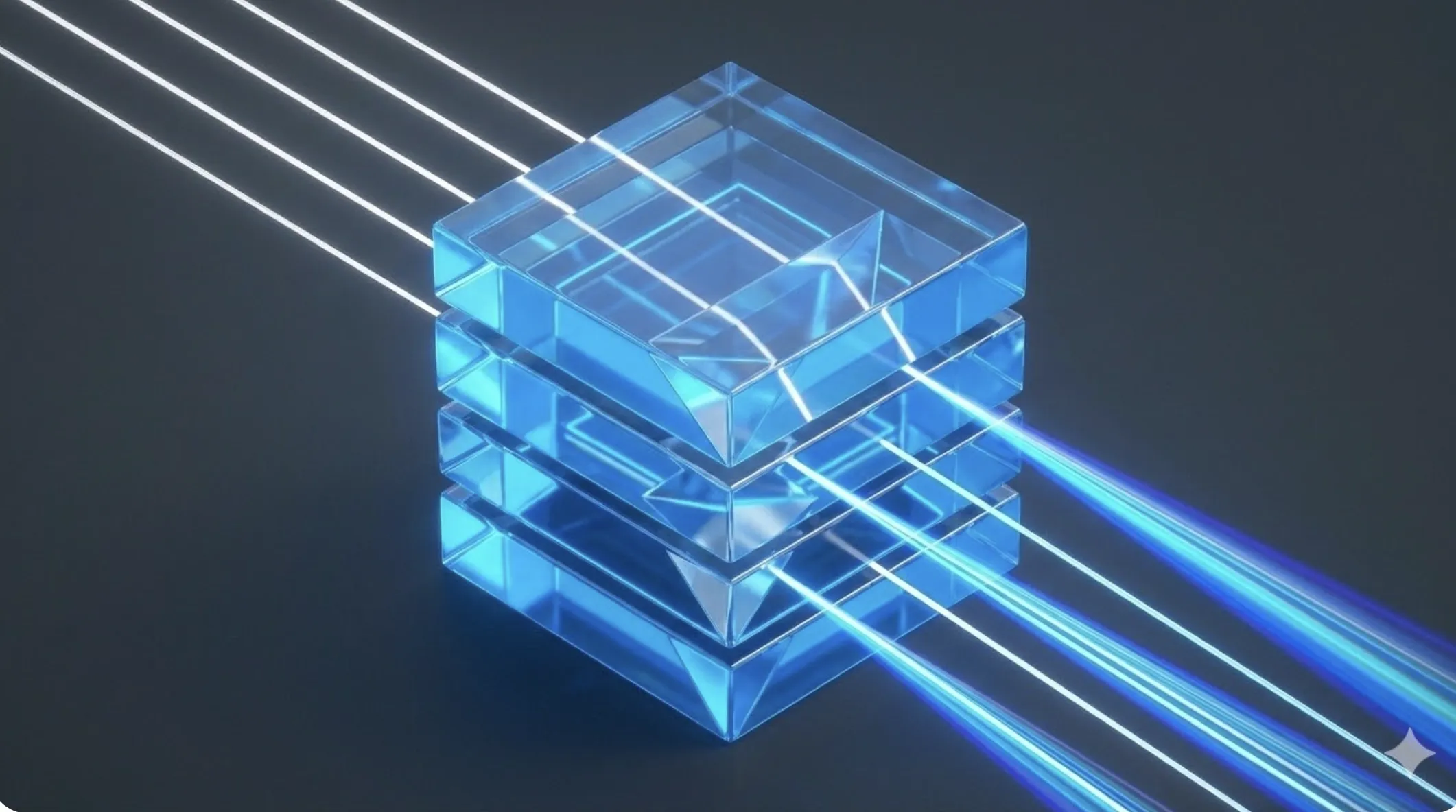
The defining technical feature of an NGFW is Deep Packet Inspection. The firewall analyzes the actual data content. It can distinguish between a user using Facebook for chat and one attempting to upload a malicious file through the same platform.
SSL/TLS Inspection (Traffic Decryption)
Since malicious traffic is often encrypted, NGFWs can act as a legitimate "Man-in-the-Middle." The firewall intercepts, decrypts, analyzes for malware, and re-encrypts the traffic before delivery. This requires high processing power and certificate management.
Integrated IPS and App Control
An NGFW integrates functions previously requiring separate devices:
- IPS (Intrusion Prevention System): Detects known attack patterns in real-time.
- Sandboxing: Sends suspicious files to an isolated cloud environment for detonation.
- Identity Filtering: Rules are applied to specific users, not just IPs.
📊 Practical Example
Real-World Scenario: Blocking Data Exfiltration in an Enterprise
Step 1: Application Detection. The NGFW identifies that HTTPS traffic is not simple browsing but a file upload to a personal storage service.
Step 2: Content Inspection. With SSL decryption active, the firewall analyzes files for patterns like credit card numbers or internal database structures (DLP - Data Loss Prevention).
Step 3: Automatic Action. The firewall blocks the specific upload connection while allowing the employee to continue productive browsing.
Step 4: Security Alert. A detailed log is generated, allowing the incident response team to act immediately.