How to Plan WiFi Schedules: Safety and Savings Guide
💡 Quick Tip
WiFi on 24/7? It's an unnecessary risk. Programming off-hours improves network hygiene, reduces power consumption, and minimizes the exposure surface to attacks while you sleep.
The Disconnected Enigma: Silence as Defense
In WWII, the greatest risk was detection via triangulation. Silence was the best defense. In 2026, your WiFi is a constant beacon. Leaving it on at night is like leaving your data vault door open with the lights on.
Demystification: Convenience vs. Security Engineering
The current perception is that WiFi should be like water: always available. But WiFi is a two-way attack vector. High engineering dictates that a system not in use should not exist in the spectrum.
Diagnosis: Thermal Wear and Phantom Power
2026 routers generate considerable heat. Keeping radio stages active 24/7 accelerates hardware degradation. Scheduled shutdown is about extending life, not just saving pennies.
Technical Analogy: Sleep Cycles in Critical Systems
Even high-performance CPUs enter low-power C-states to purge caches. Your home network needs this daily "state reset" to avoid protocol error accumulation.
Methodological Differentiator: Step Zero of Smart Homes
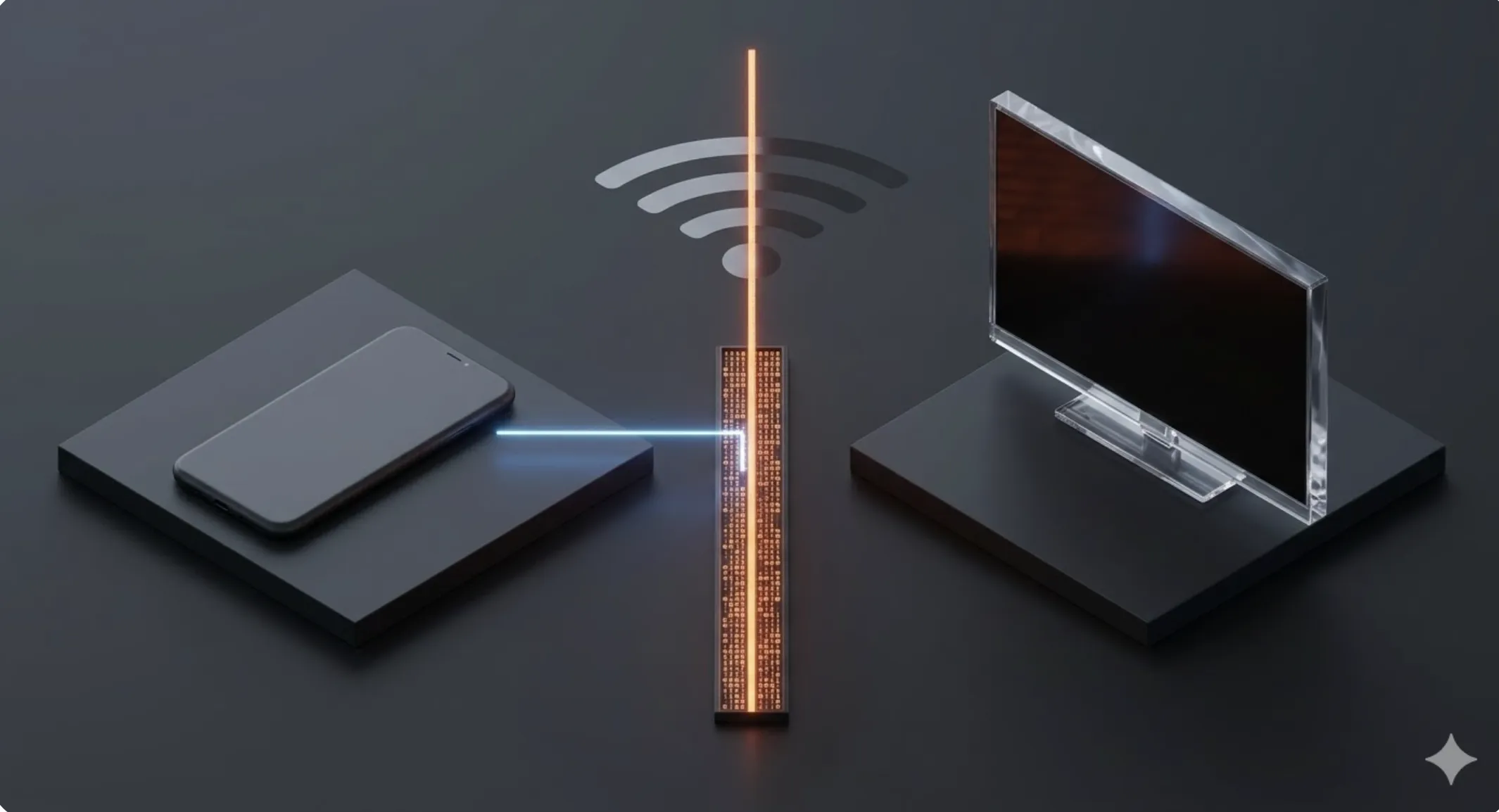
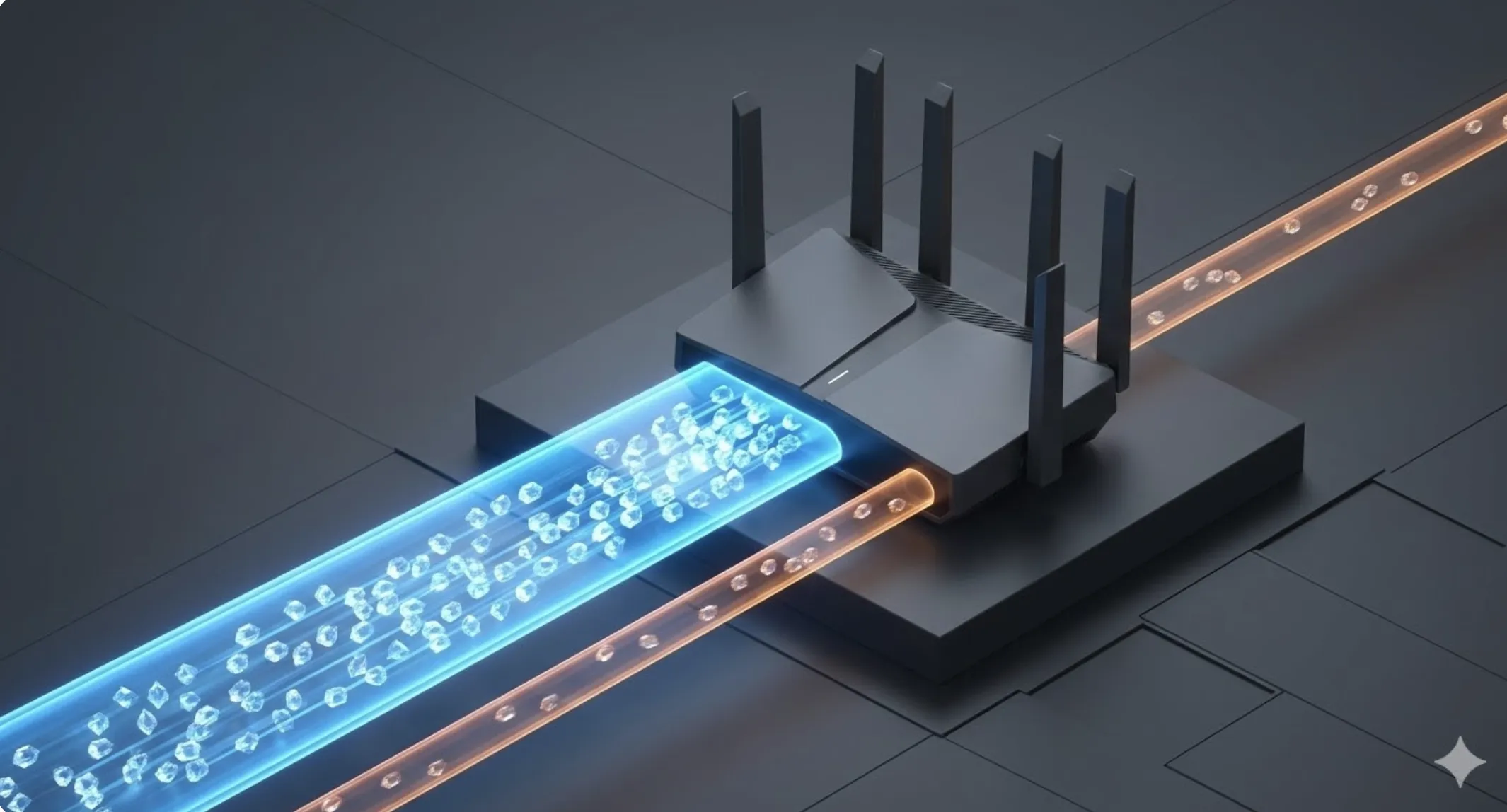
Step Zero is segregating your network: keep a low-power node for critical sensors and turn off high-speed radios (heavy bits) at night.
Future Vision: AI-Adaptive Networks
By 2027, routers will learn usage patterns and automatically reduce power when no presence is detected. This is invisible technology protecting your privacy.
Closing: The Standby Cost
Is it worth exposing your infrastructure for 8 hours of sleep because you won't set a schedule?
📊 Practical Example
Real Scenario: Nightly Wi-Fi Automation
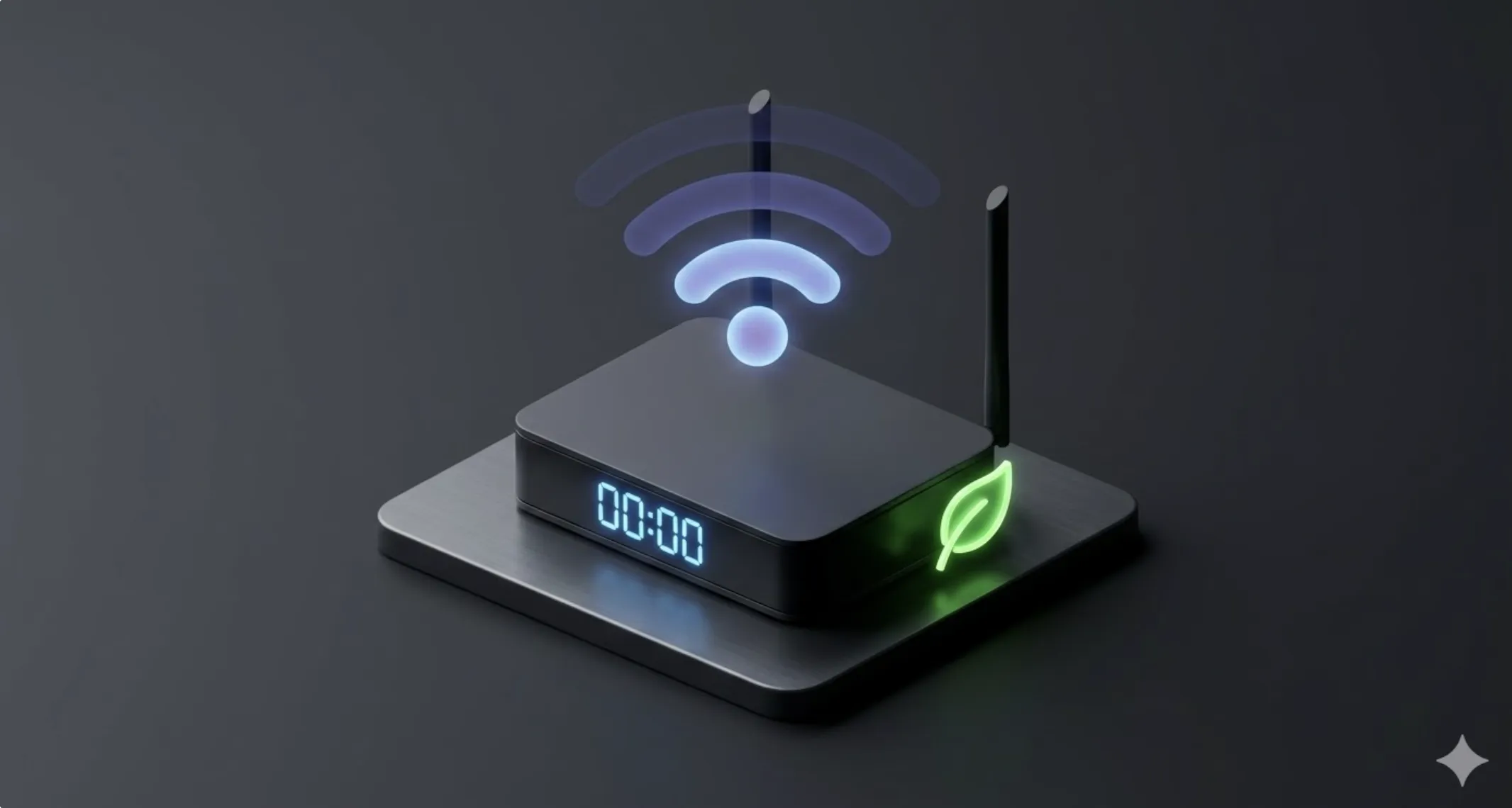
A family configures their router so that the Wi-Fi turns off automatically at midnight. Using their operator's app, they set a calendar that reactivates the signal at 7 AM. During that time, the network disappears from the neighborhood's radio spectrum, eliminating any risk of nighttime hacking.