Hardware for AI: TPUs, NPUs and Tensor Acceleration
💡 Quick Tip
Fact: An NPU in a smartphone is designed to consume 100 times less energy than a CPU when performing AI tasks.
Apollo 13 engineers had to redesign the use of battery energy for the astronauts to survive. They didn't look for bigger batteries, but for a smarter management of the ones they had. That is real engineering. Today, the obsession with buying the most expensive hardware looks more like consumer technology: an expensive remote control that consumes massive energy to solve problems that could be optimized in the bit architecture.
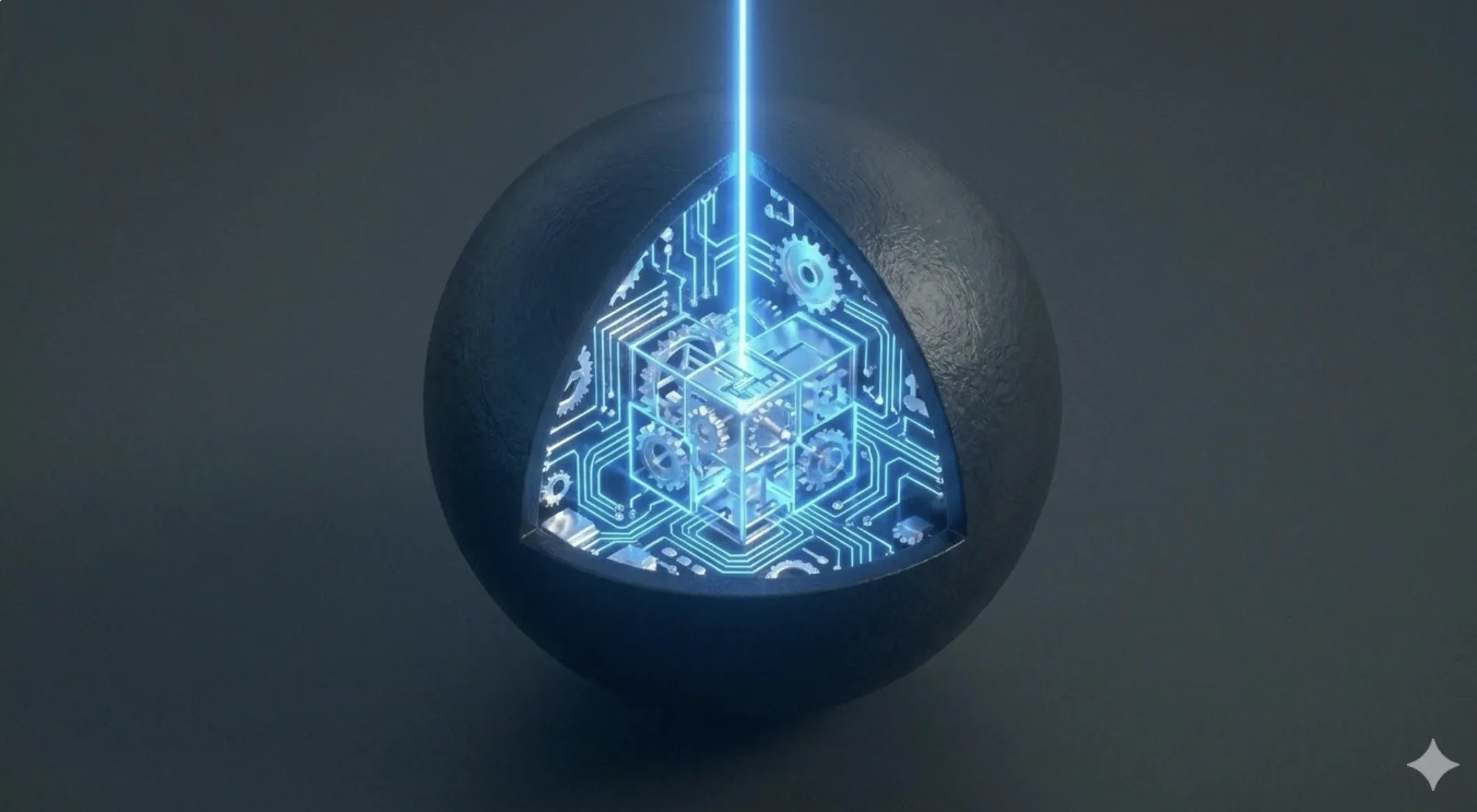
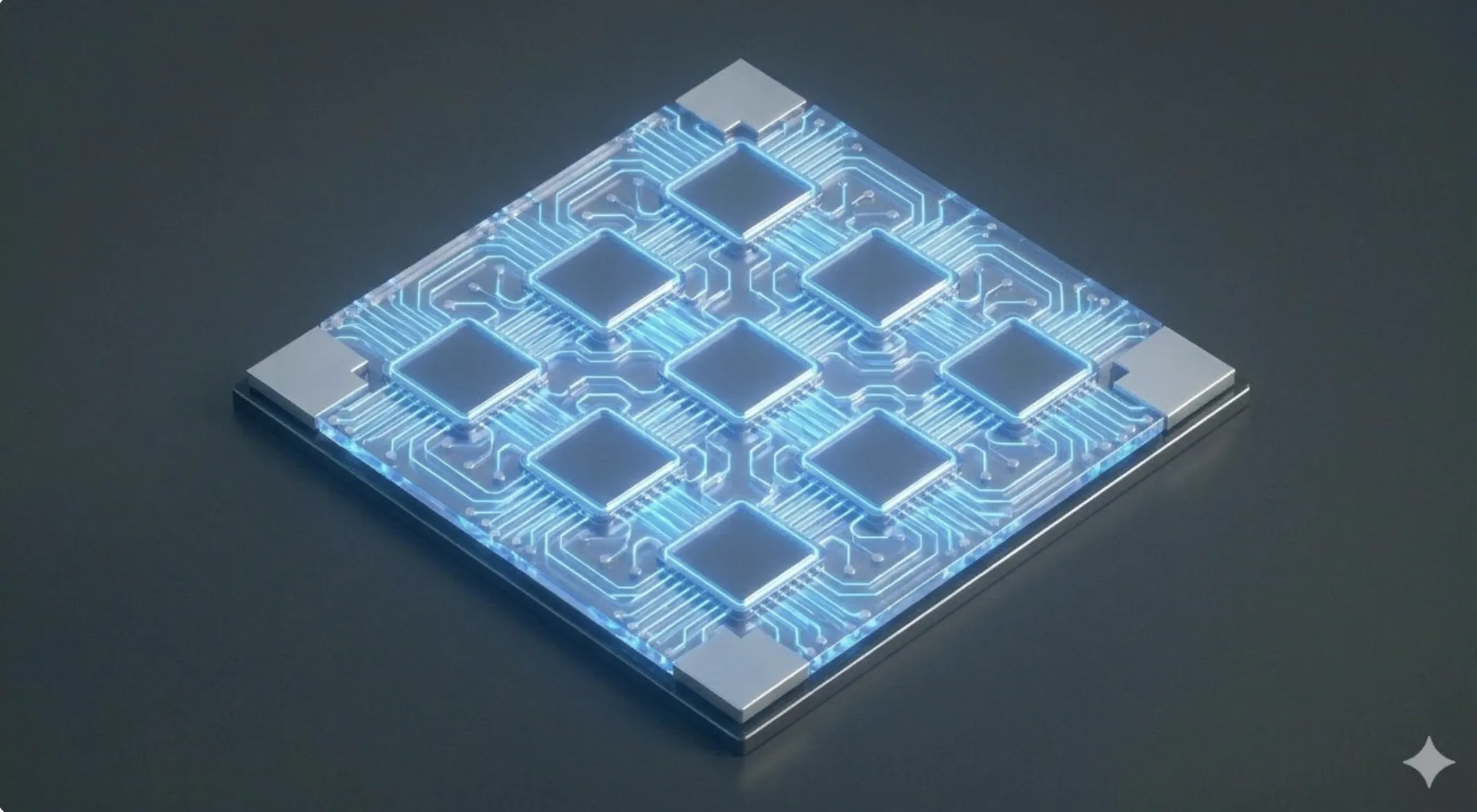
The technical diagnosis is waste in computing islands. The solution is the Hardware Digital Twin. As Cinto Casals, AI Architect, tells us, efficiency doesn't come from adding more atoms (silicon), but from designing chips (TPUs, NPUs) that perfectly adapt to the bit structure of the neural network. It is the harmony between the support and the intelligence.
In "Step Zero," we define the workload before choosing the iron. The vision is invisible technology at the Edge: processors so efficient and small that they allow AI to act autonomously in cameras, sensors, or motors, processing external data in-situ without depending on the cloud. The hardware disappears to make way for proactive function.
Is your hardware investment destined to feed the IT department's ego or to create an invisible infrastructure that actually solves problems autonomously?
📊 Practical Example
Real-World Scenario: Infrastructure Choice for an AI Startup
Step 1: Compatibility Analysis. Verify if code uses TensorFlow (optimized for TPUs) or PyTorch (where NVIDIA GPUs remain the most robust technical choice).
Step 2: Quantization Implementation. For deployment on client devices, convert the model from FP32 to INT8 (quantization).
Step 3: Edge Deployment. Thanks to quantization, the model now runs on a commercial tablet's integrated NPU, allowing fast diagnostics without sending private data to the cloud.