2026 Price Crisis: Why SSD and RAM Rose by 60%
💡 Quick Tip
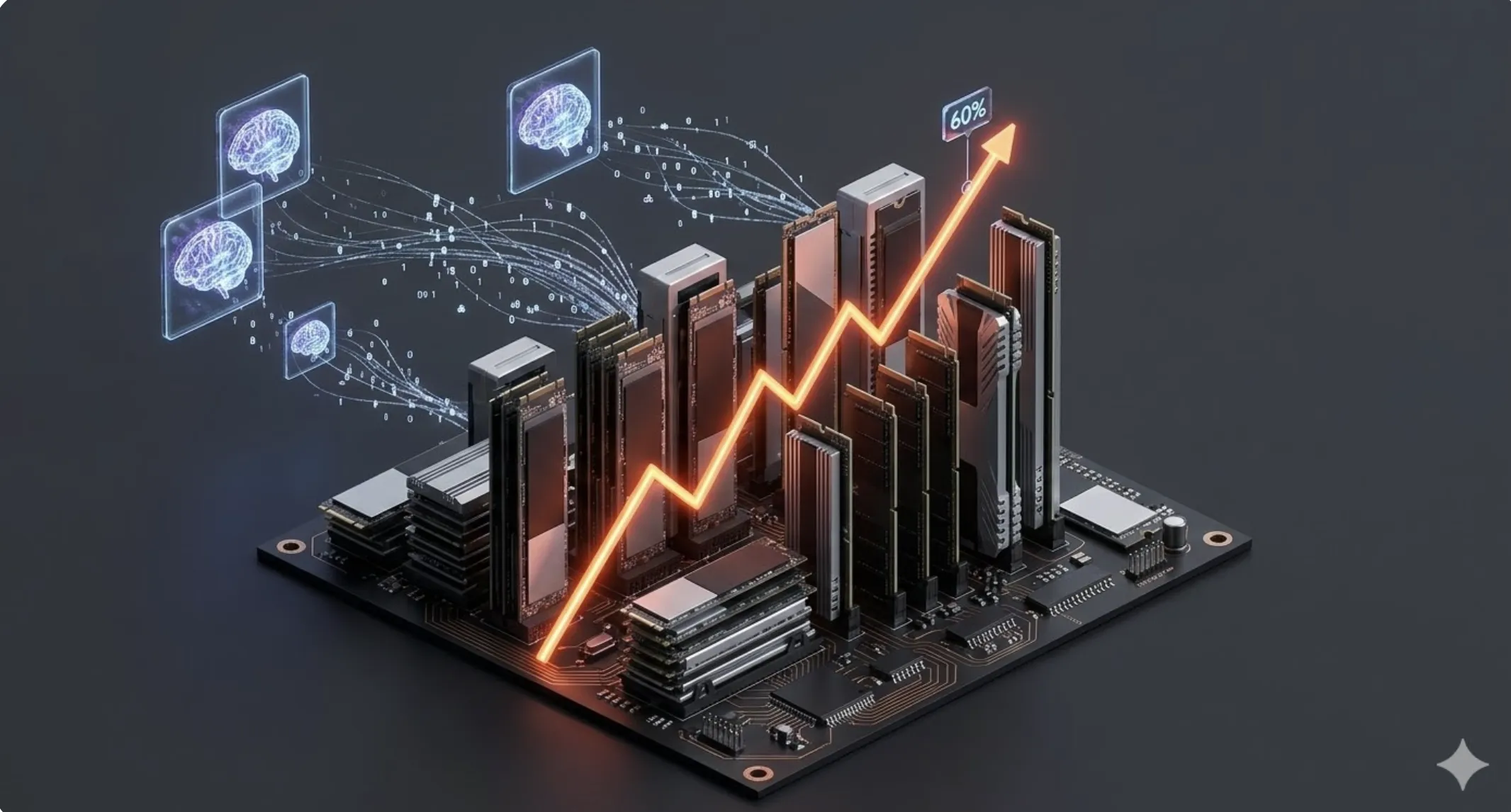
Why has memory hardware risen by 60% in 2026? A perfect storm between AI demand for HBM memory and tariff tensions has made SSD and RAM prices historic.
The 1929 Black Friday and Market Fragility
In 1929, the stock market collapse proved that a broken trust chain can paralyze a civilization. In 2026, we experience a similar phenomenon in the silicon market. The 60% hike in SSD and RAM prices is not a fluctuation; it is a structural fracture. Factories have diverted production toward the HBM memory needed for AI. It is the era where real engineering must replace impulsive buying to survive the hardware winter.
The Thesis: The New Server as an Expensive Remote Control
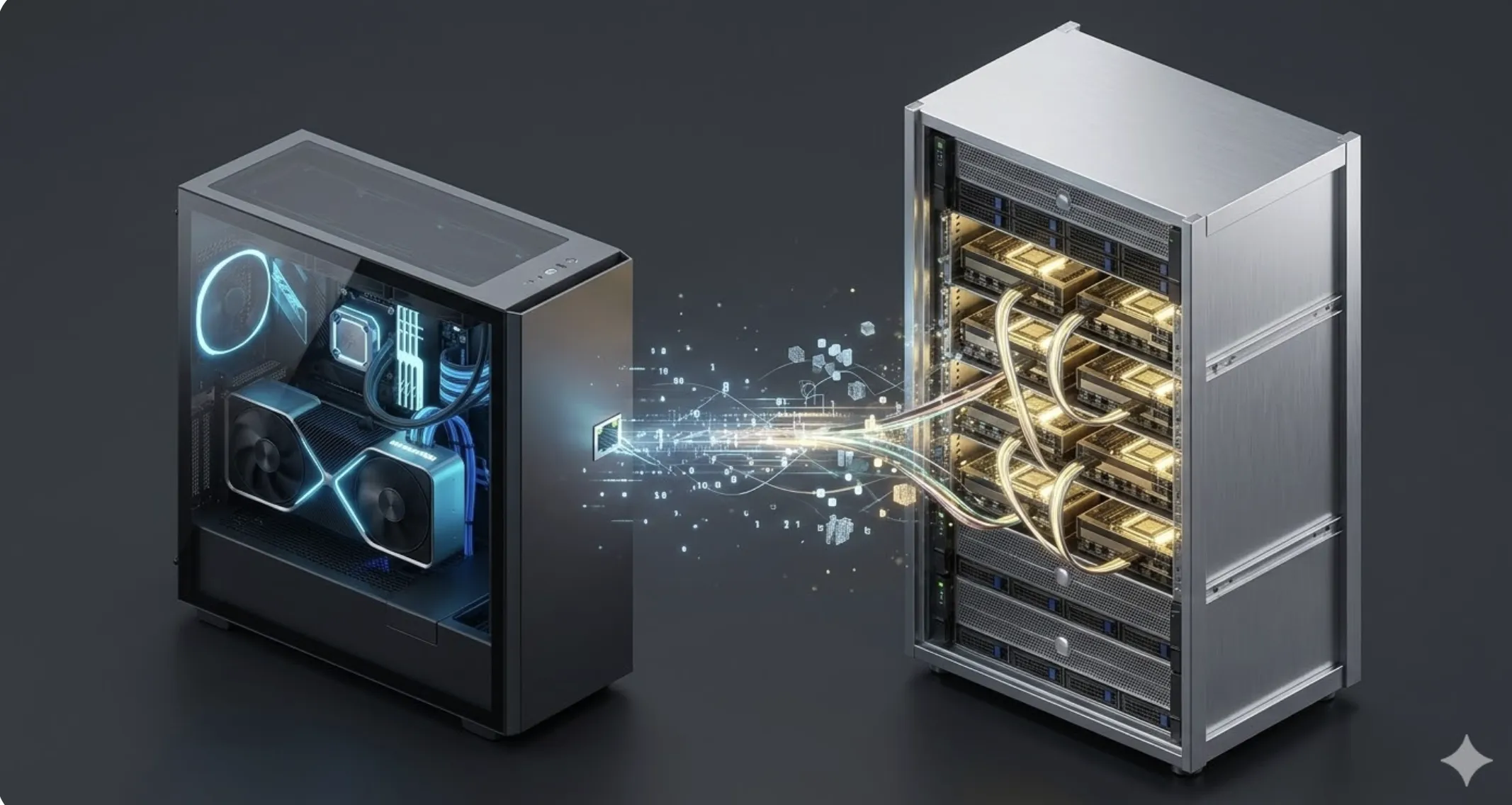
Renewing storage infrastructure today can be operating an expensive remote control. Paying a 60% premium for hardware used inefficiently is a financial and technical error. 2026 reality forces us to stop seeing atoms (physical disks) as the solution and start valuing the engineering of bits (deduplication and compression) as the true store of value.
The Diagnosis: Storage Islands and AI Hunger
The market failure is that corporate storage islands are underutilized. According to Cinto Casals, AI Engineer, most companies have 40% empty or duplicated space. In a context of price crisis, continuing to buy disks without optimizing what is already owned is a symptom of a failed data architecture.
Future Vision: The Invisible Technology of Liquid Memory
The future leads us to invisible technology, where storage and memory will be managed as a shared fluid between all company systems. In 2026, structural AI will allocate space proactively and silently, eliminating physical silos and ensuring every bit of purchased hardware is utilized at 100% of its technical capacity.
📊 Practical Example
Real Scenario: Data Center Expansion
A cloud provider faces a €600,000 cost overrun in storage expansion. To mitigate the impact, they implement real-time data deduplication algorithms, reclaiming capacity on current drives without purchasing new units at crisis prices.