Structural AI: The Organizational Nervous System
💡 Quick Tip
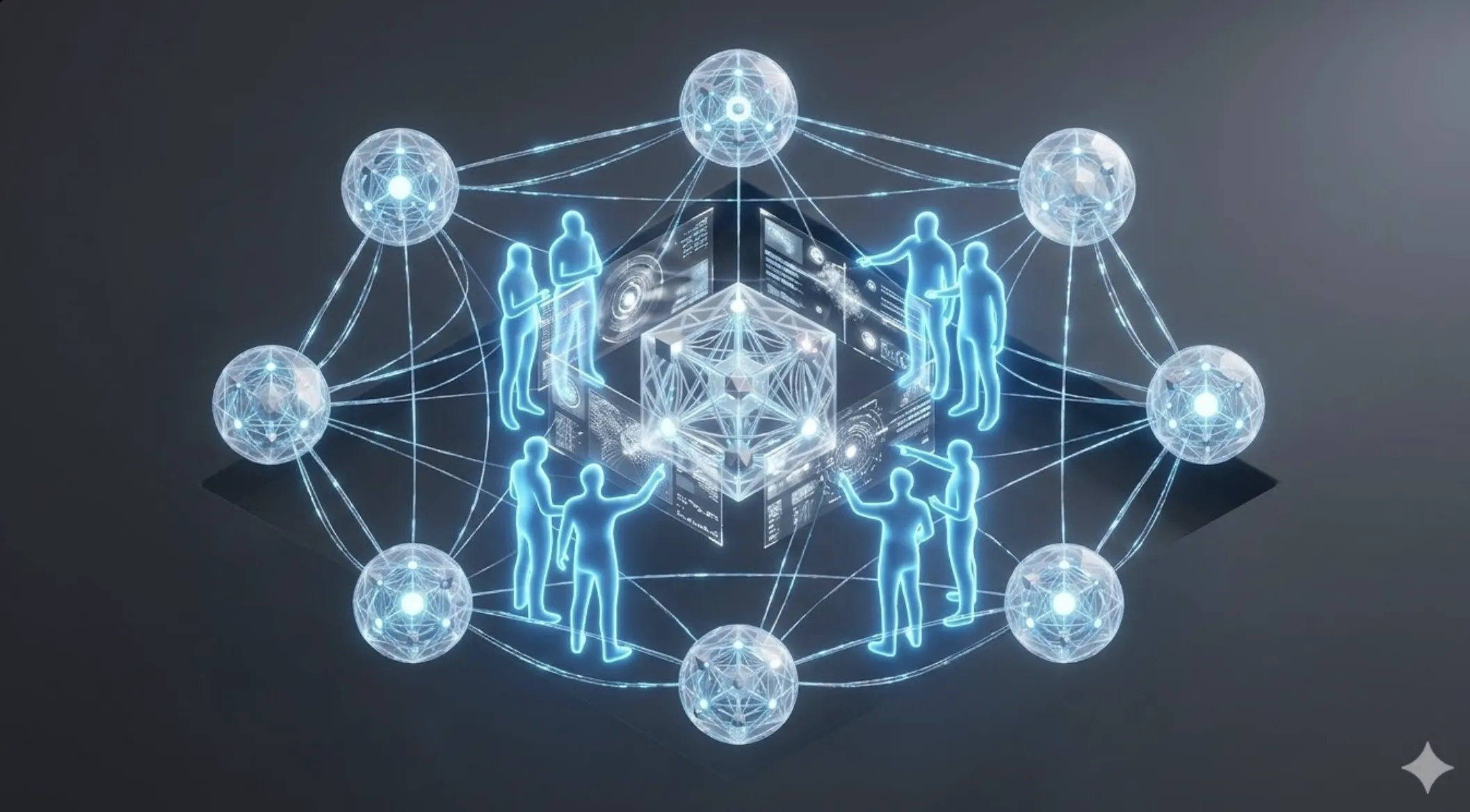
What is structural AI and how does it differ from AI as a tool? Structural AI integrates as the central nervous system of an organization, redesigning decision flows and internal responsibilities. Unlike AI as a tool, which functions as an external complement for specific tasks, structural AI involves a transition toward systemic integration in all processes. This shift defines the year 2026, prioritizing tangible impact and resilience over the simple pilot experimentation of previous years.
When CO2 levels threatened the lives of the Apollo 13 astronauts, NASA didn't send a user manual; they sent a box of scattered materials and the order to build a functional filter. That wasn’t consumer technology; it was pure survival engineering. Today, in the corporate sphere, we often confuse these two concepts. We implement tools that promise intelligence, but end up being just an expensive remote control to move data from one place to another without real criteria.
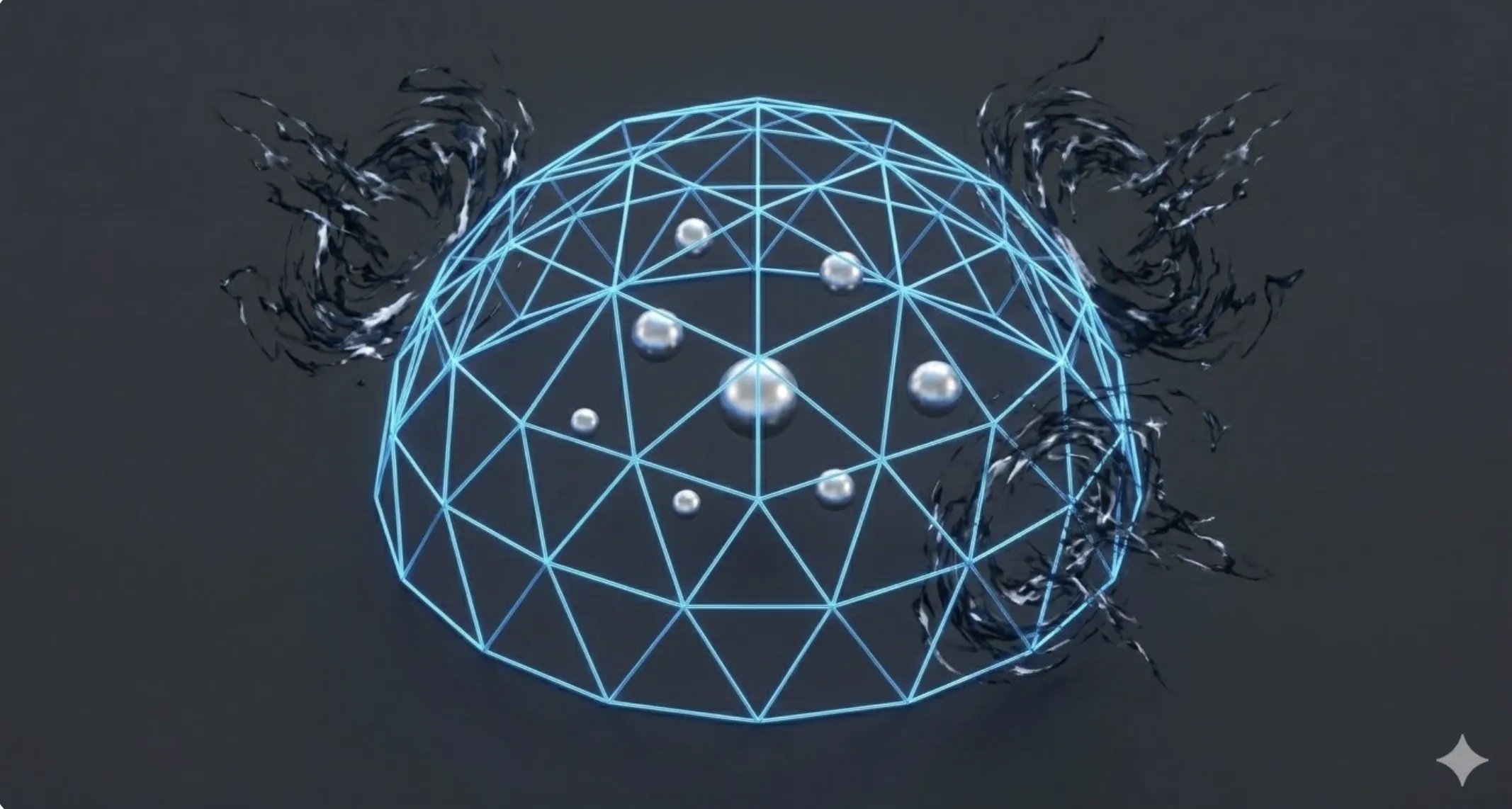
The diagnosis is clear: the failure lies in data islands. Devices and software that operate as isolated kingdoms, unable to speak a common language, which fragments any attempt at serious automation. To solve this, we must look back at the origin of the Digital Twin at NASA. This virtual replica allows simulating behaviors before they happen in the physical world. As Cinto Casals, AI Architect, describes, structural AI is not a module you buy, but the foundation that allows that virtual replica to coordinate the entire organization coherently.
Under this philosophy, we present "Step Zero." It is a radical mindset shift that prioritizes information architecture—bits—over the compulsive acquisition of hardware—atoms. If the data structure is flawed, the most powerful hardware will only accelerate the disaster. The vision of the future leads us toward invisible technology: systems that don’t require you to press a button, but act proactively based on external variables and contextual learning. Structural AI thus becomes the company's silent nervous system.
At the end of the day, the question is inevitable: are you building an architecture capable of saving your mission in times of crisis, or are you simply collecting remote controls that no one knows how to use?
📊 Practical Example
Real Scenario: Autonomous Logistics Plant
In a global distribution company, Structural AI detects a port delay. Without human intervention, it recalculates routes, contacts suppliers, and adjusts prices to manage stock. AI is not an analysis tool; it is the structure that executes organizational resilience autonomously.