All Tips
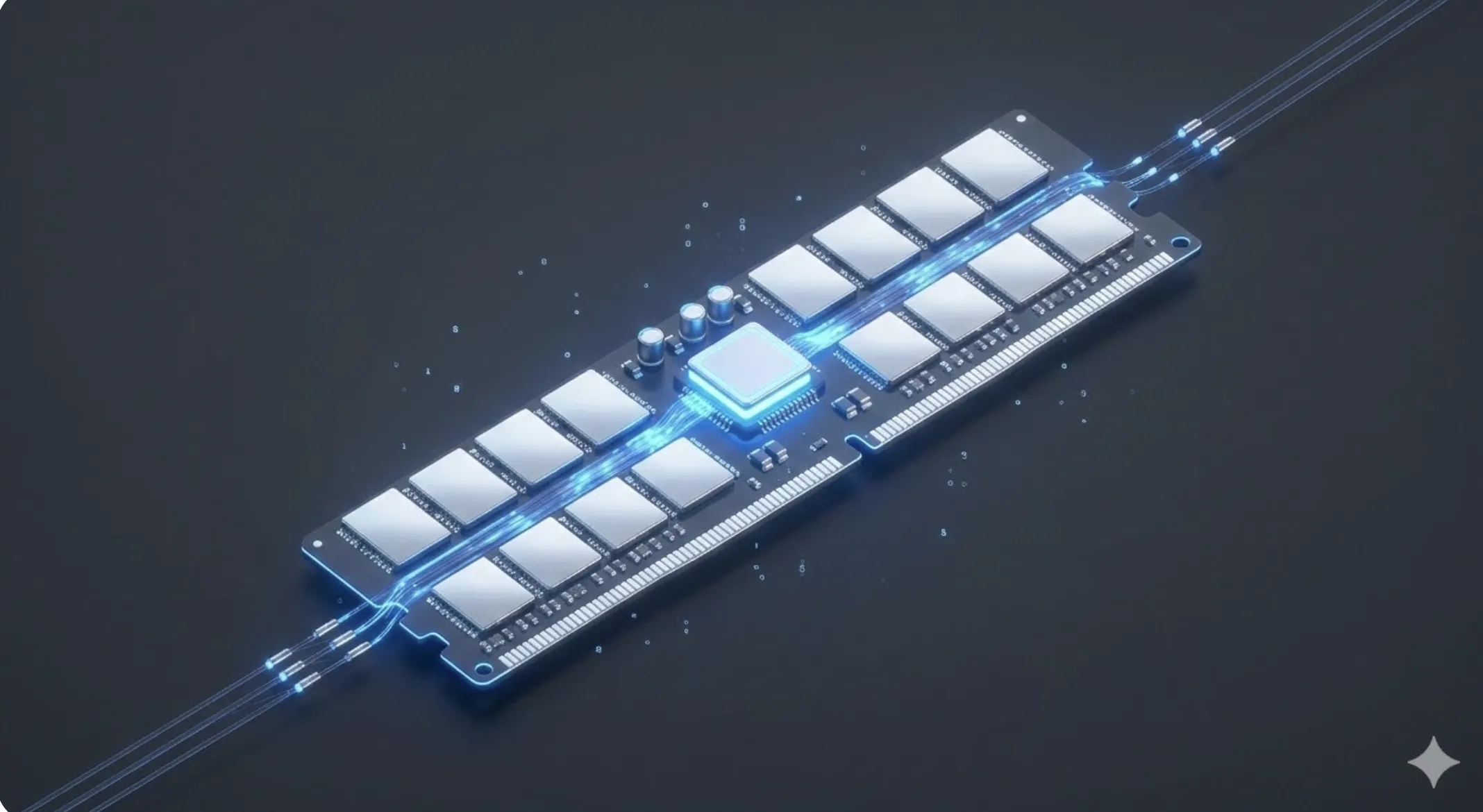
DDR5 RAM Memory Technology
Key: DDR5 moves power management (PMIC) from the motherboard directly onto the RAM stick.
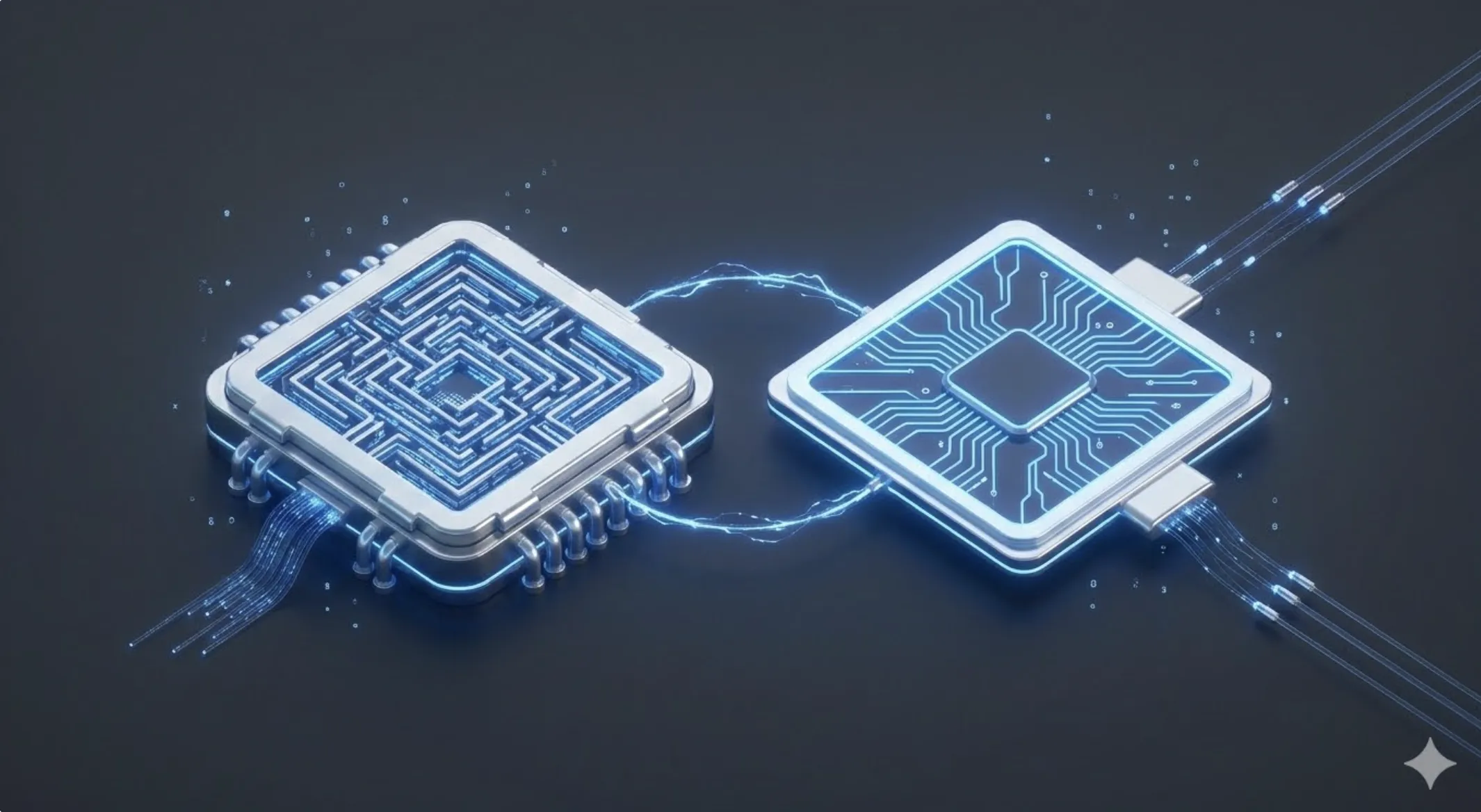
CPU Architecture: x86 vs. ARM
Technical Tip: x86 excels in raw power and legacy compatibility, while ARM leads in efficiency per watt.

File Systems: NTFS vs. EXT4 vs. ZFS
The file system is the technical structure that defines how data is organized, stored, and retrieved on a phys...

Virtualization and Hypervisors: Type 1 vs. Type 2
Virtualization is the technology that allows abstracting physical hardware to run multiple independent operati...
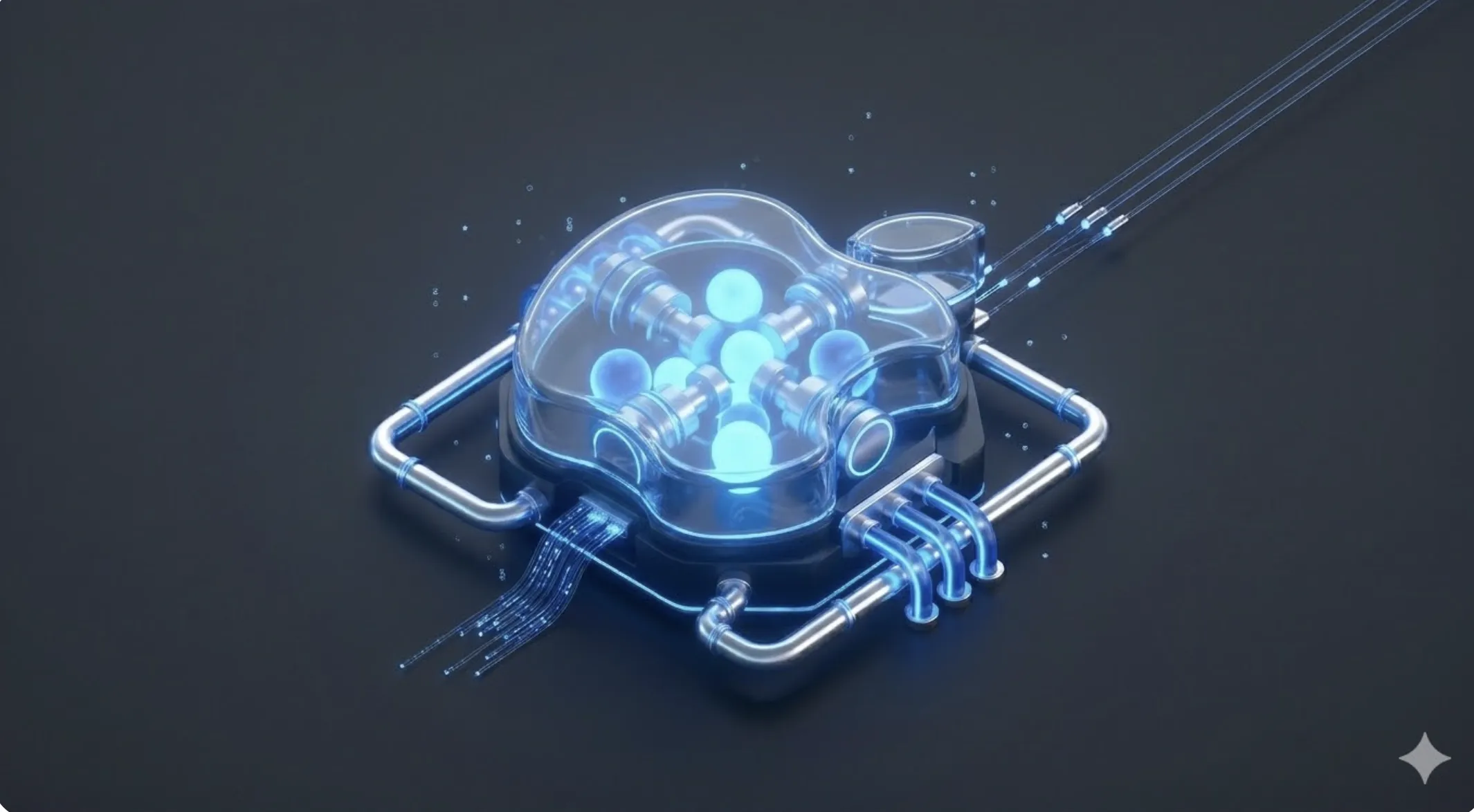
Memory Management in macOS: Compression and Darwin
macOS implements highly sophisticated memory management based on the Darwin kernel and the Mach microkernel, p...
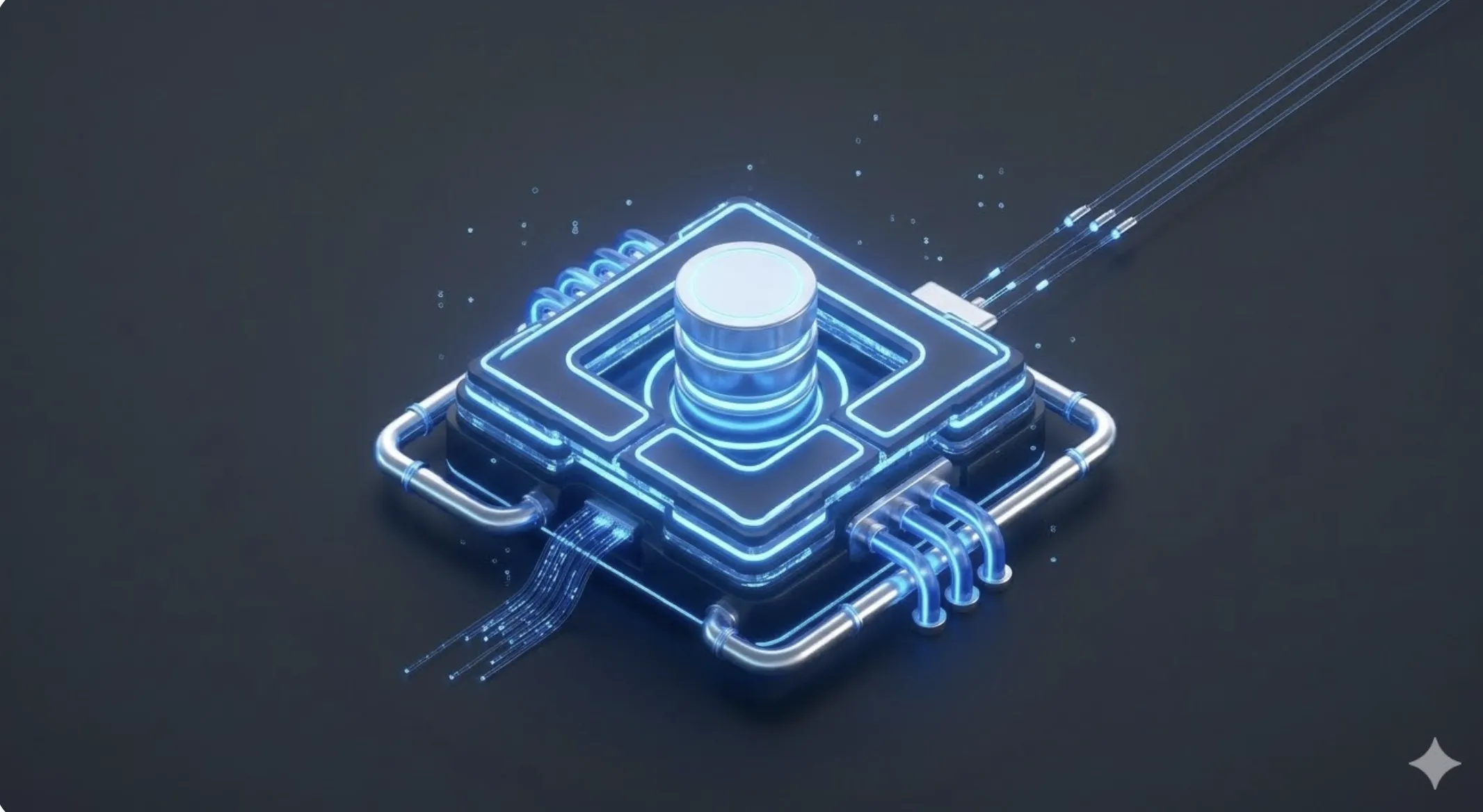
Windows NT Architecture and the Registry
The Windows NT architecture is based on a hybrid kernel design that strictly separates user mode from kernel m...
Linux Kernel Optimization: Critical Parameters
Technical Note: Always back up /etc/sysctl.conf before applying changes to the kernel parameters.
Precision Resistors for Instrumentation
Technical Fact: In precision measurement, thermal stability (TCR) is more critical than the exact initial resi...
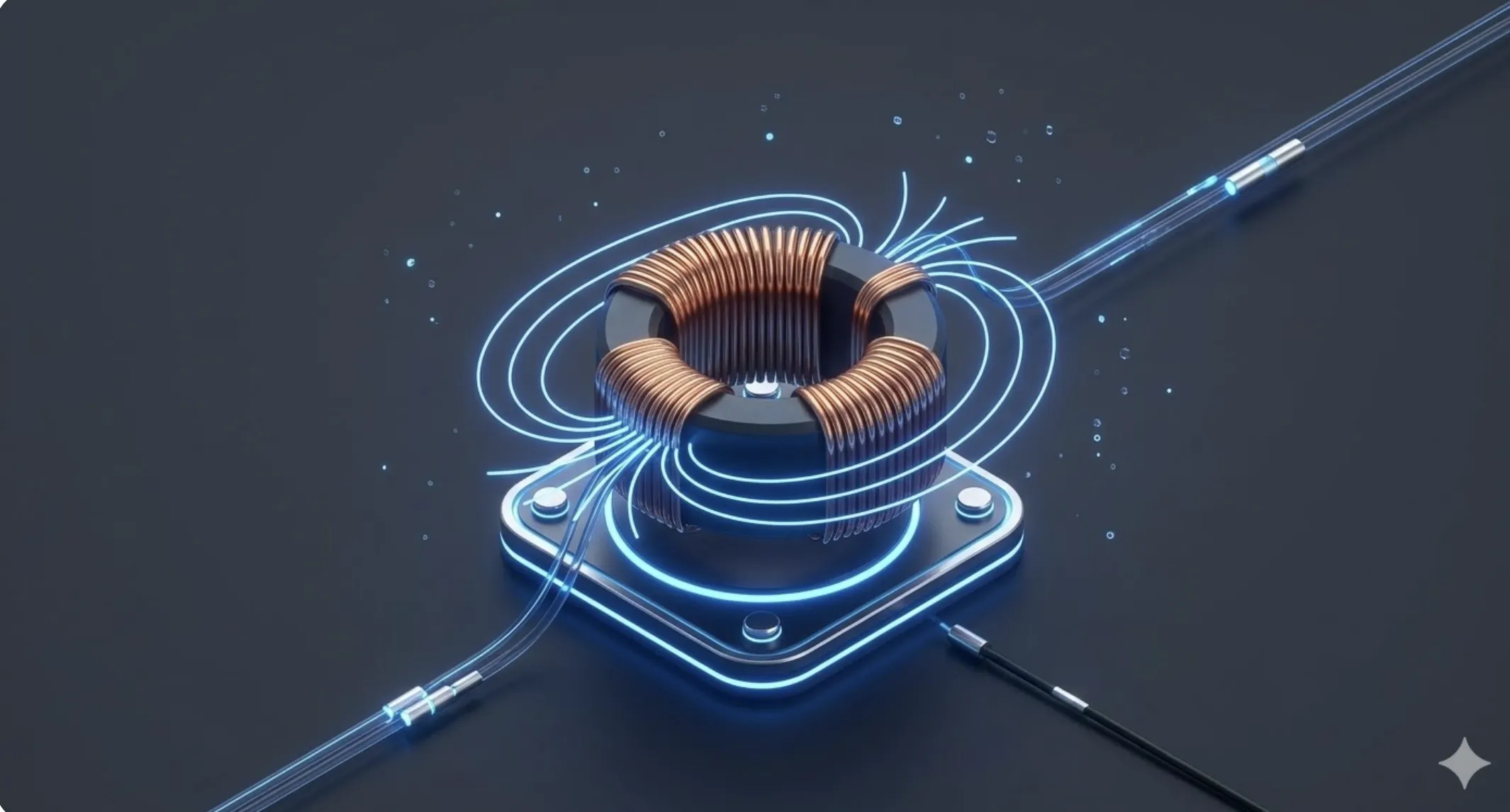
Inductance and Coils: Theory and Practice
Key Concept: Coils oppose sudden changes in current by storing energy in a magnetic field.
Zener Diodes in Voltage Regulation
Zener diodes are specialized semiconductors designed to operate safely in the reverse breakdown region. Unlike...
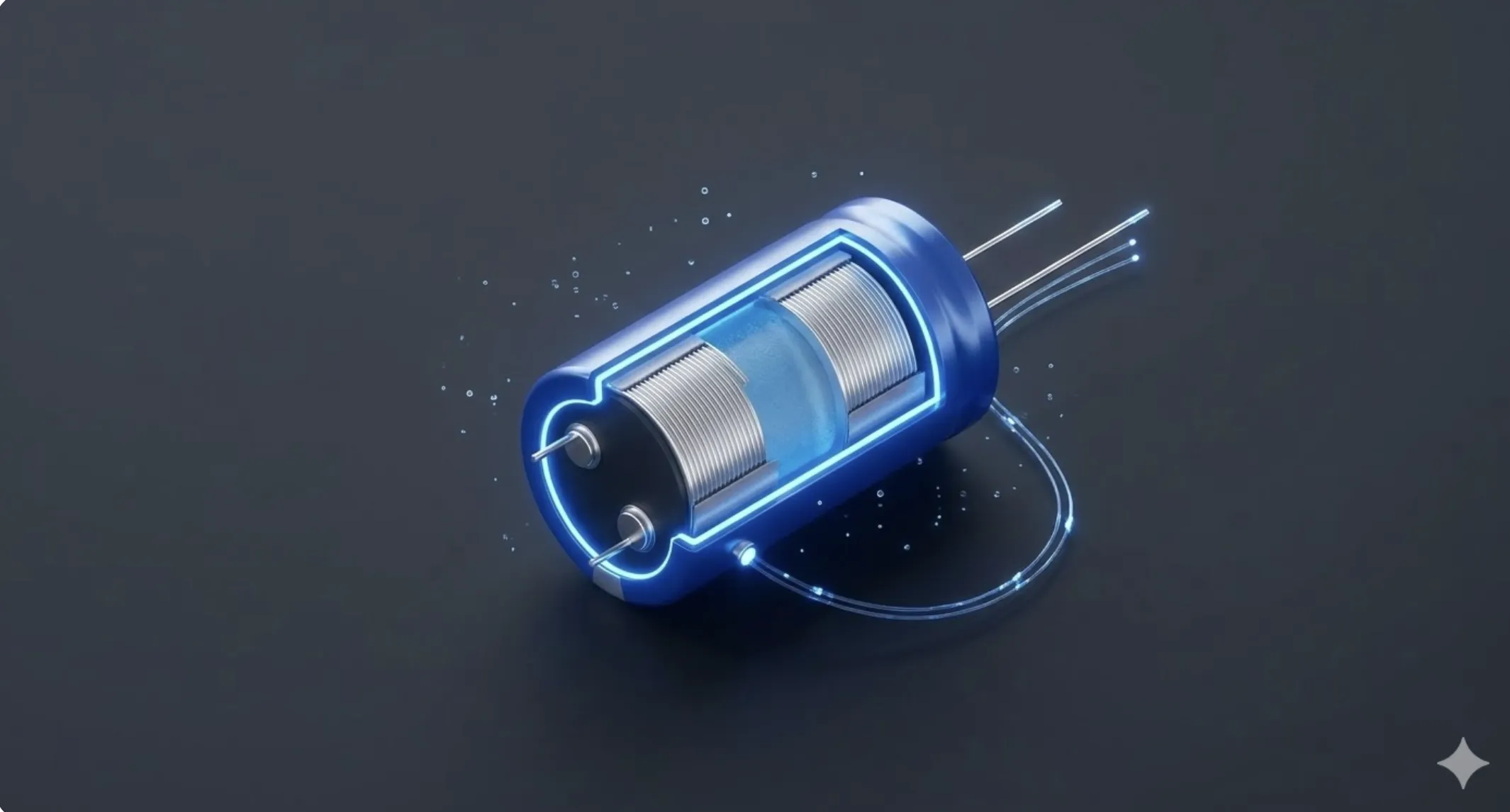
The Electrolytic Capacitor: Technical Fundamentals
The electrolytic capacitor is an essential passive component designed to store high electrical energy densitie...
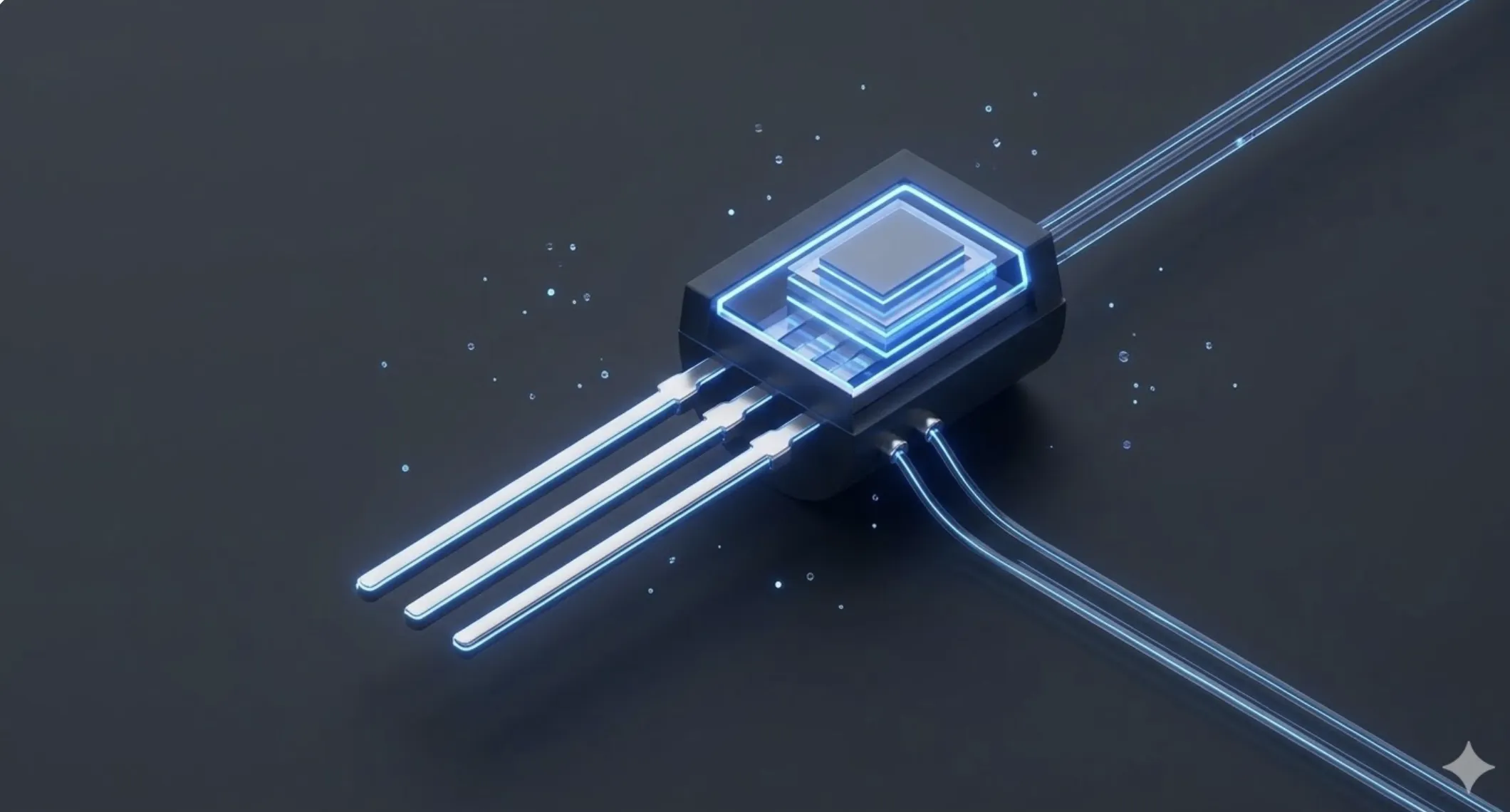
How a BJT Transistor Works: Technical Guide
The Bipolar Junction Transistor (BJT) is a fundamental pillar of analog electronics, acting as either a switch...