All Tips

Git and the Gitflow Workflow: Version Control
Key: Never work directly on the 'master' or 'main' branch in professional projects.

Microservices vs. Monolith Architecture
Tip: Do not migrate to microservices if your team is small; the operational complexity may overwhelm you.

Malware Analysis and Technical Sandboxing
Pro Tip: Modern malware can detect if it is in a virtual machine to hide its behavior.
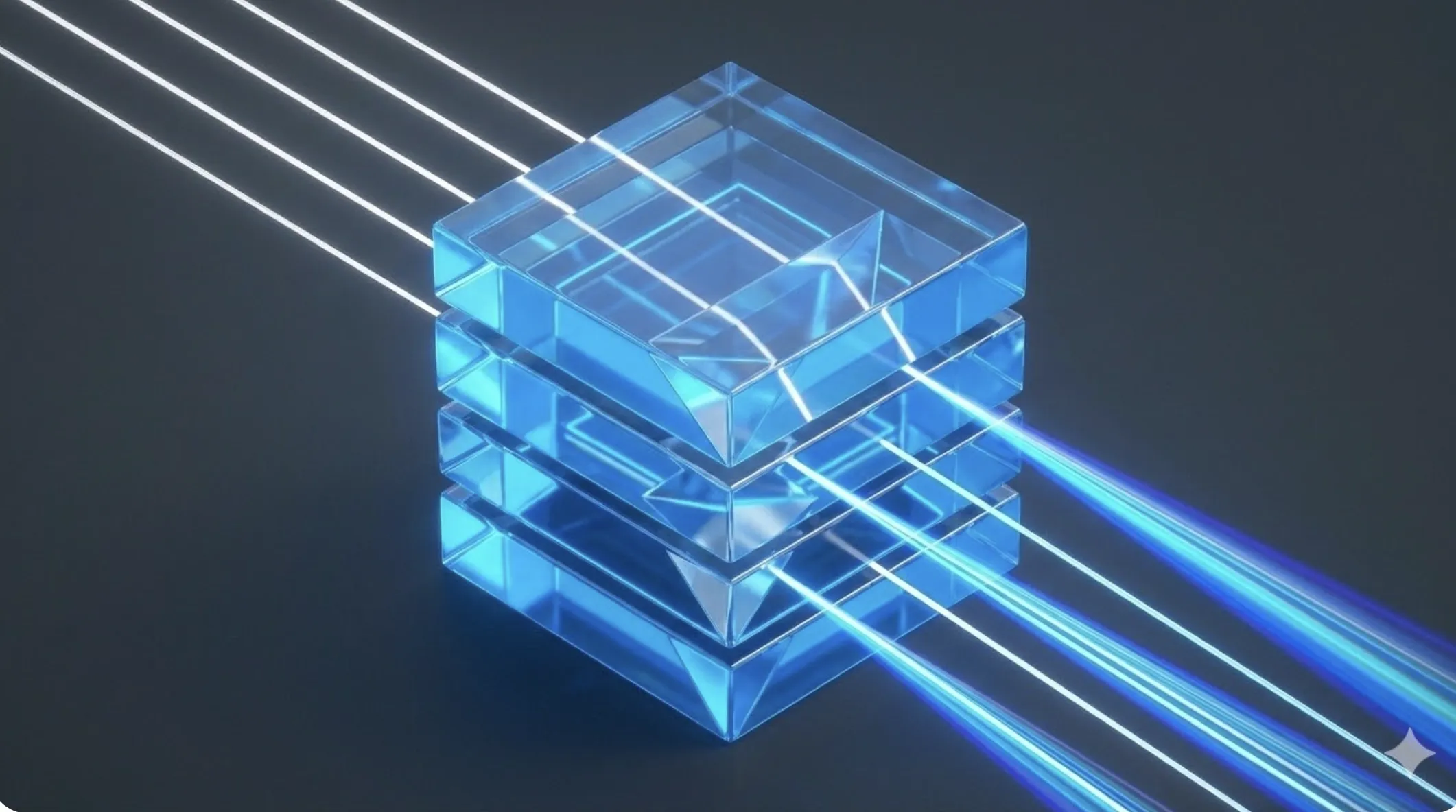
Next-Generation Firewalls (NGFW)
Tip: Modern firewalls no longer just look at ports; they look at application behavior.

OAuth 2.0 and OpenID Connect Protocols
Key: OAuth is for authorization (permissions), OpenID is for authentication (identity).

SQL Injection: Anatomy of a Vulnerability
Remember: Never trust user input. Always sanitize your data.
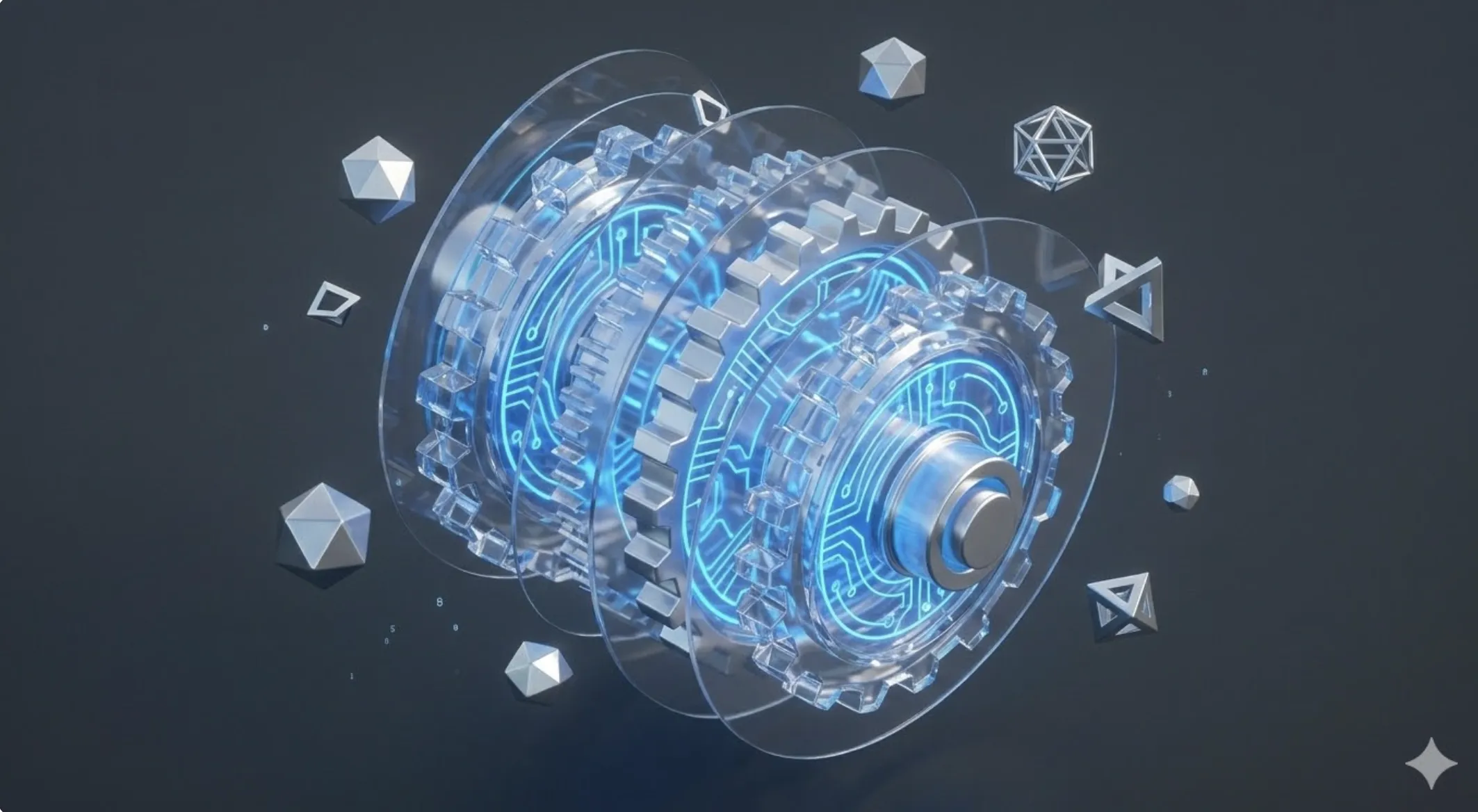
Public Key Cryptography: RSA and Elliptic Curve
Key fact: Asymmetric cryptography is the foundation of HTTPS and modern digital signatures.

Wi-Fi 6 Security and WPA3: Next-Generation Encryption
Remember: WPA3 protects against brute-force attacks even if your password is weak.

Dynamic Routing: How BGP and OSPF Work
Fact: OSPF is used for internal corporate data; BGP is the protocol that holds the entire Internet together.
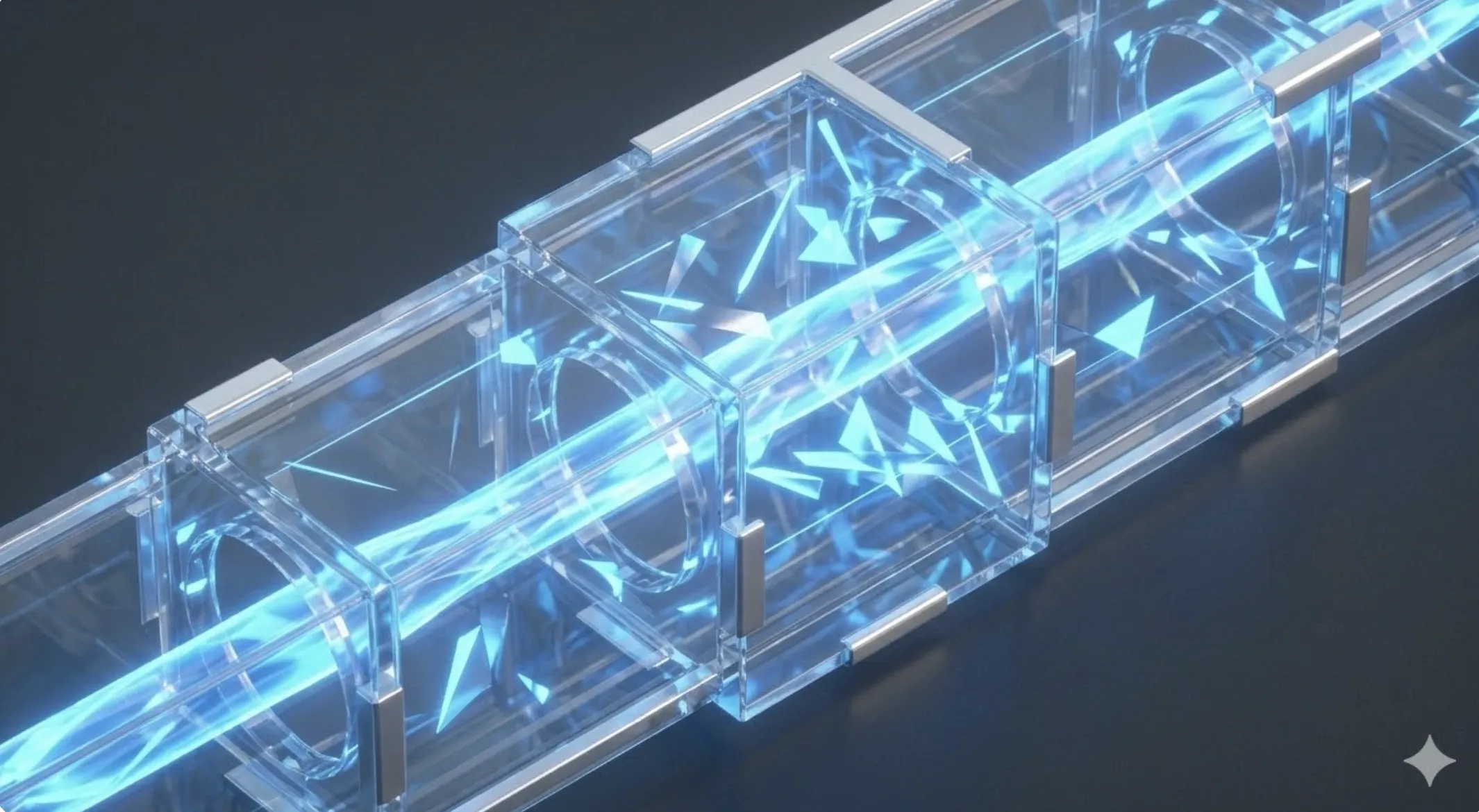
Fiber Optic Infrastructure: Data at the Speed of Light
Key: Fiber optics do not carry electricity, making them immune to electromagnetic interference.

IPv4 vs. IPv6 Addressing: The Future of the Internet
Tip: IPv6 not only offers more addresses but also eliminates the need for NAT, improving efficiency.

The TCP/IP Protocol and the OSI Model: Abstraction Layers
Technical fact: The OSI model is theoretical (7 layers), while the TCP/IP model is what actually implements th...
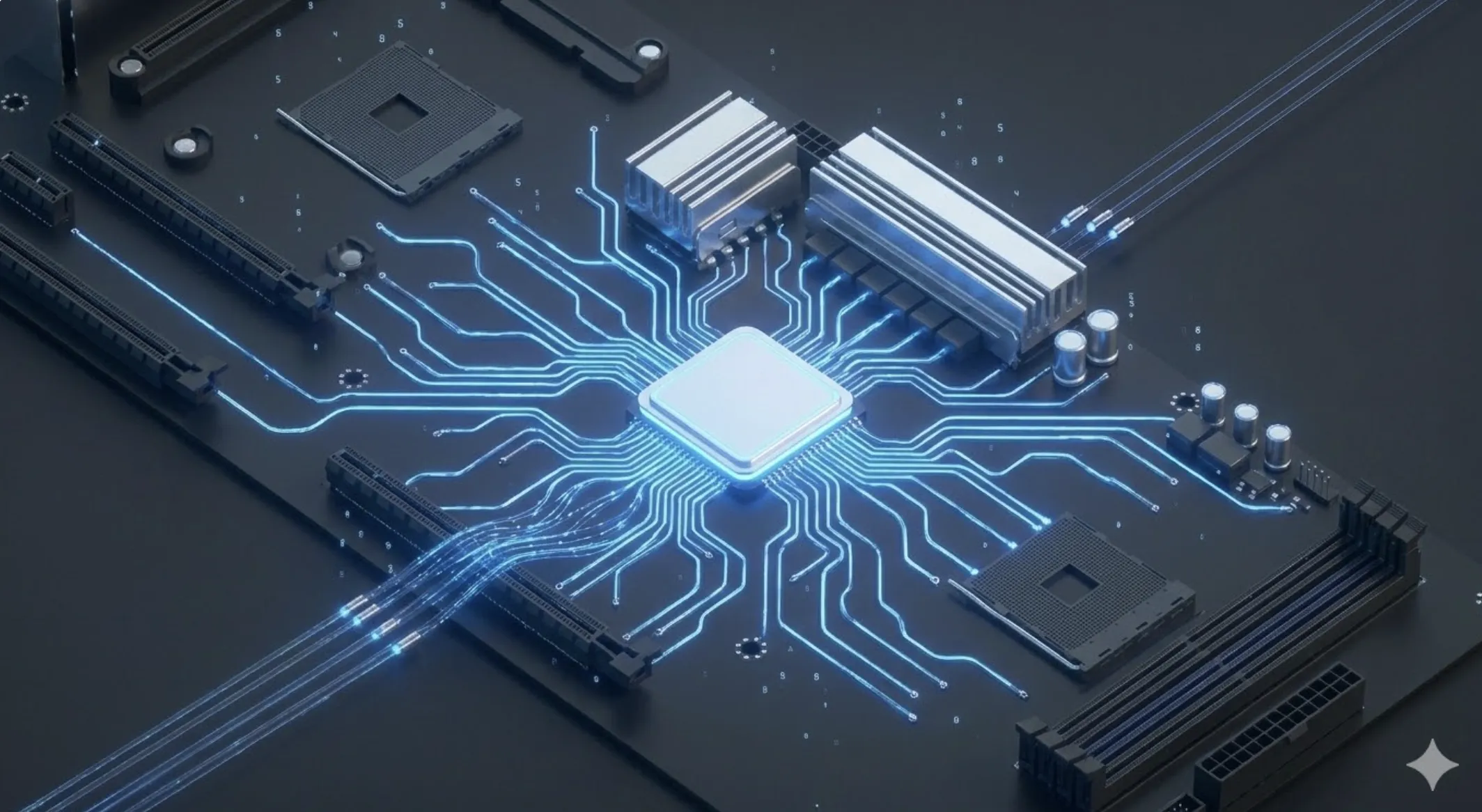
Chipsets and Motherboards: The Nervous System
Key Fact: The chipset determines how many USB ports, M.2 slots, and PCIe lanes you can use simultaneously.

How a Modern GPU Works: Beyond Pixels
Tip: The key difference of a GPU is its massively parallel processing capability (SIMD).
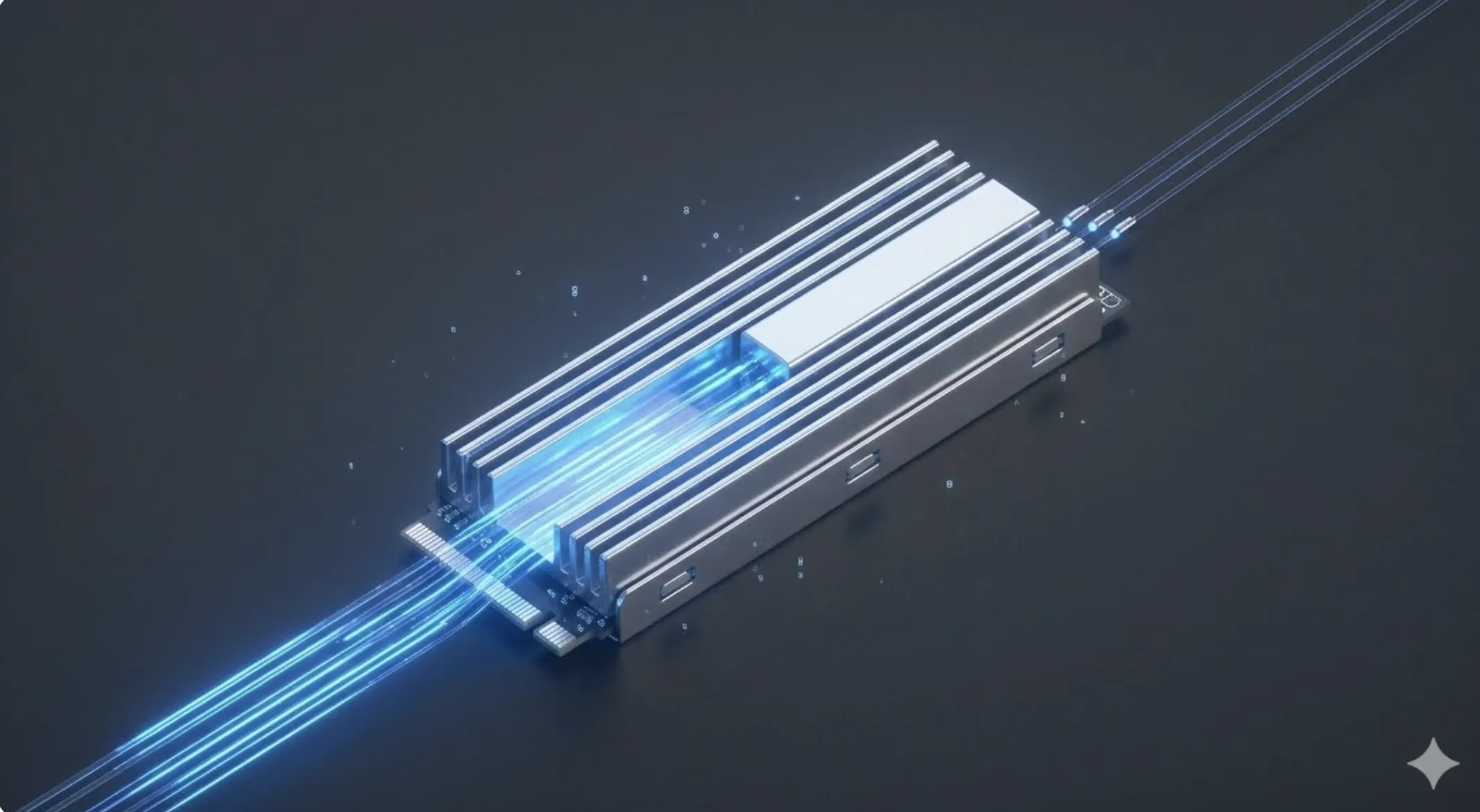
NVMe Storage and PCIe 5.0: Eliminating Bottlenecks
Remember: A PCIe 5.0 SSD requires active cooling due to the high temperatures of its controllers.