All Tips
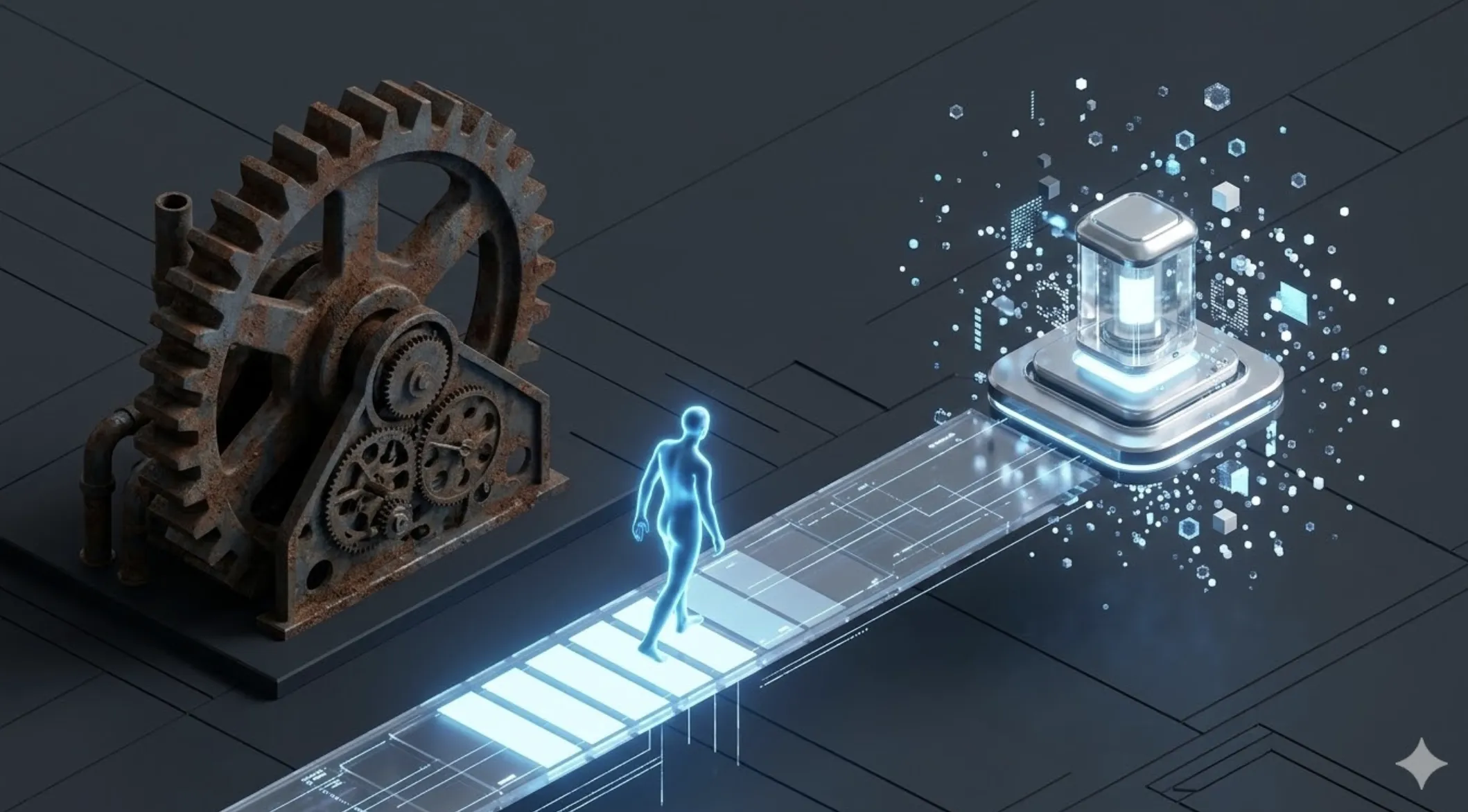
Operational Nostalgia: The Psychological Barrier to AI
Is operational nostalgia braking your digital transformation? In 2026, attachment to obsolete manual processes...
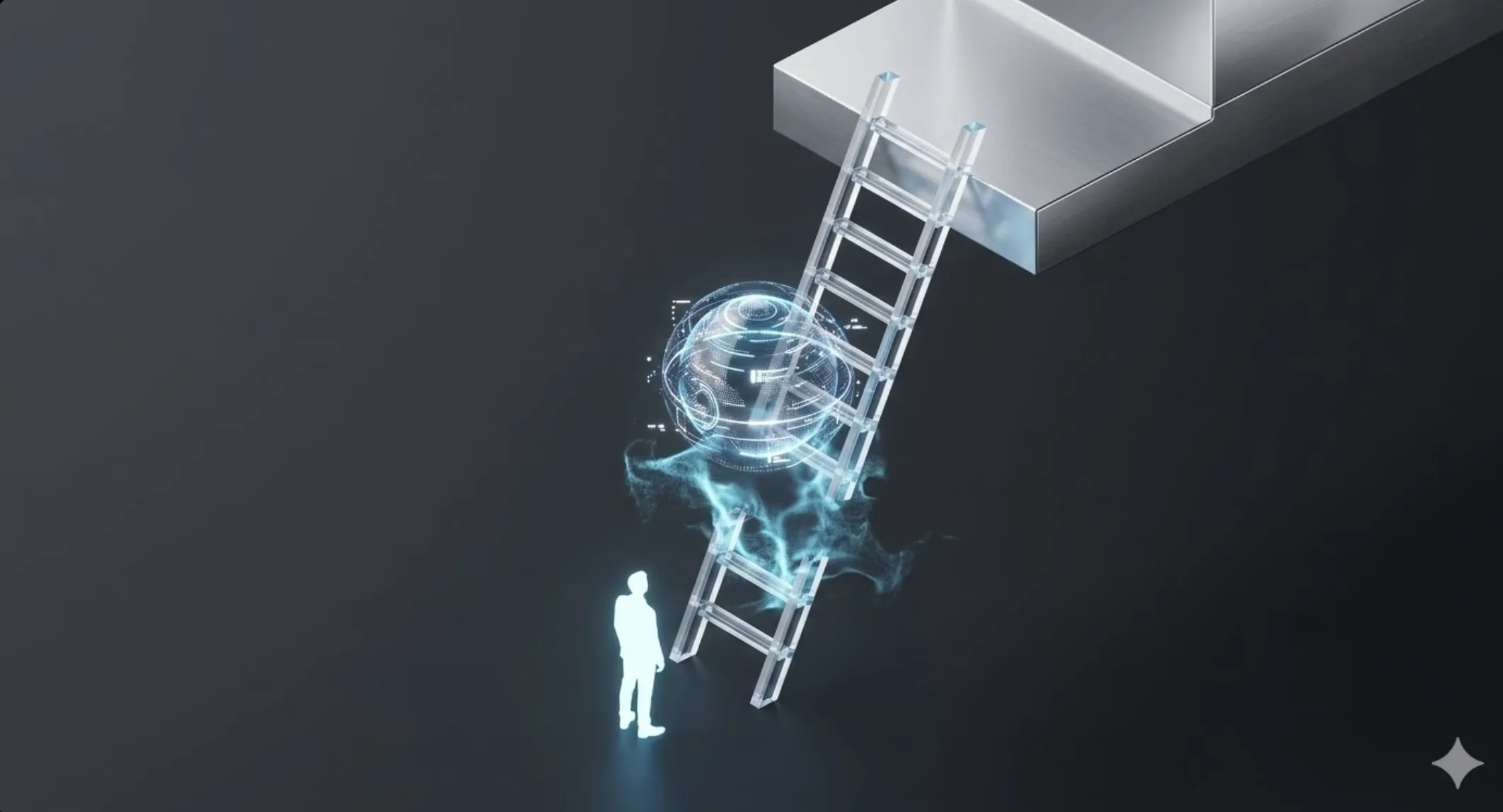
Generative AI and Junior Employment: The New Access Gap
How does generative AI affect job access for junior profiles? Generative AI is creating an access gap, as it p...

2026: The Year of Truth for AI
Why is 2026 called the "Year of Truth" for AI? It is so called because it marks the definitive move from pilot...

AI-Native: The Future of Self-Managed Software
What is 'AI-Native' in software development? It is a new development paradigm where software self-assembles an...
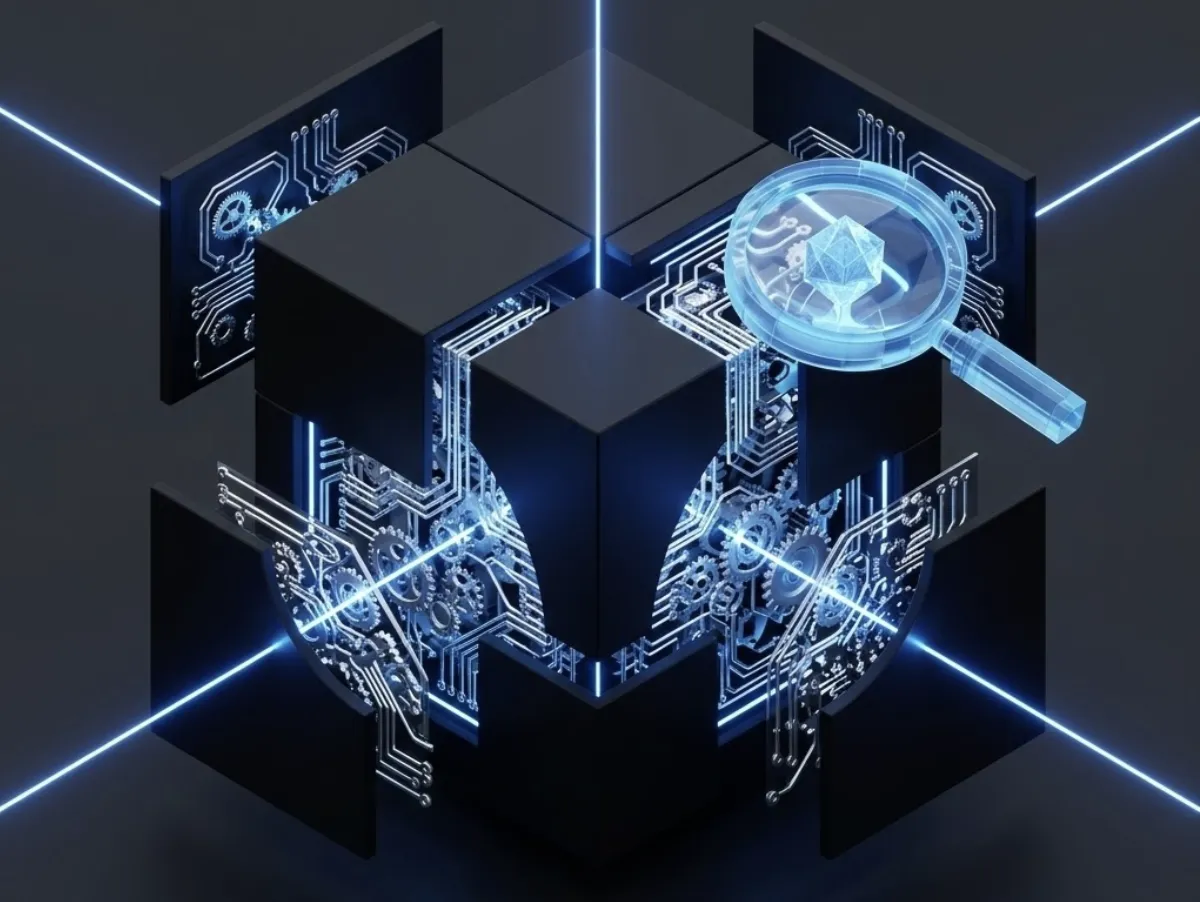
Mechanistic Interpretability: Decoding the AI Black Box
How has the 'mechanistic interpretability' of neural networks evolved? This scientific discipline seeks to und...
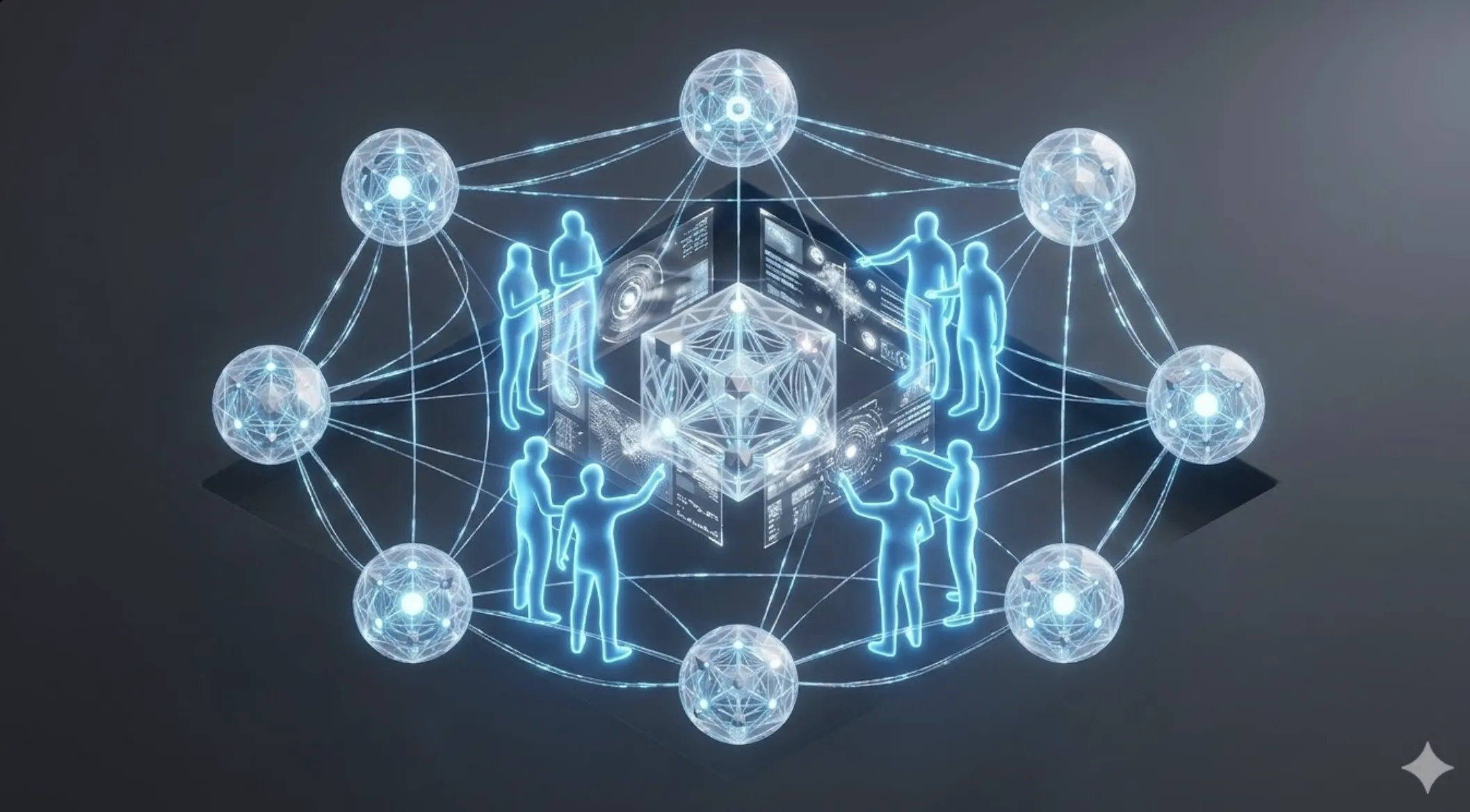
AI Agents: The New Coworker in 2026
What role do 'AI agents' play in the 2026 work environment? AI agents are autonomous systems that collaborate ...
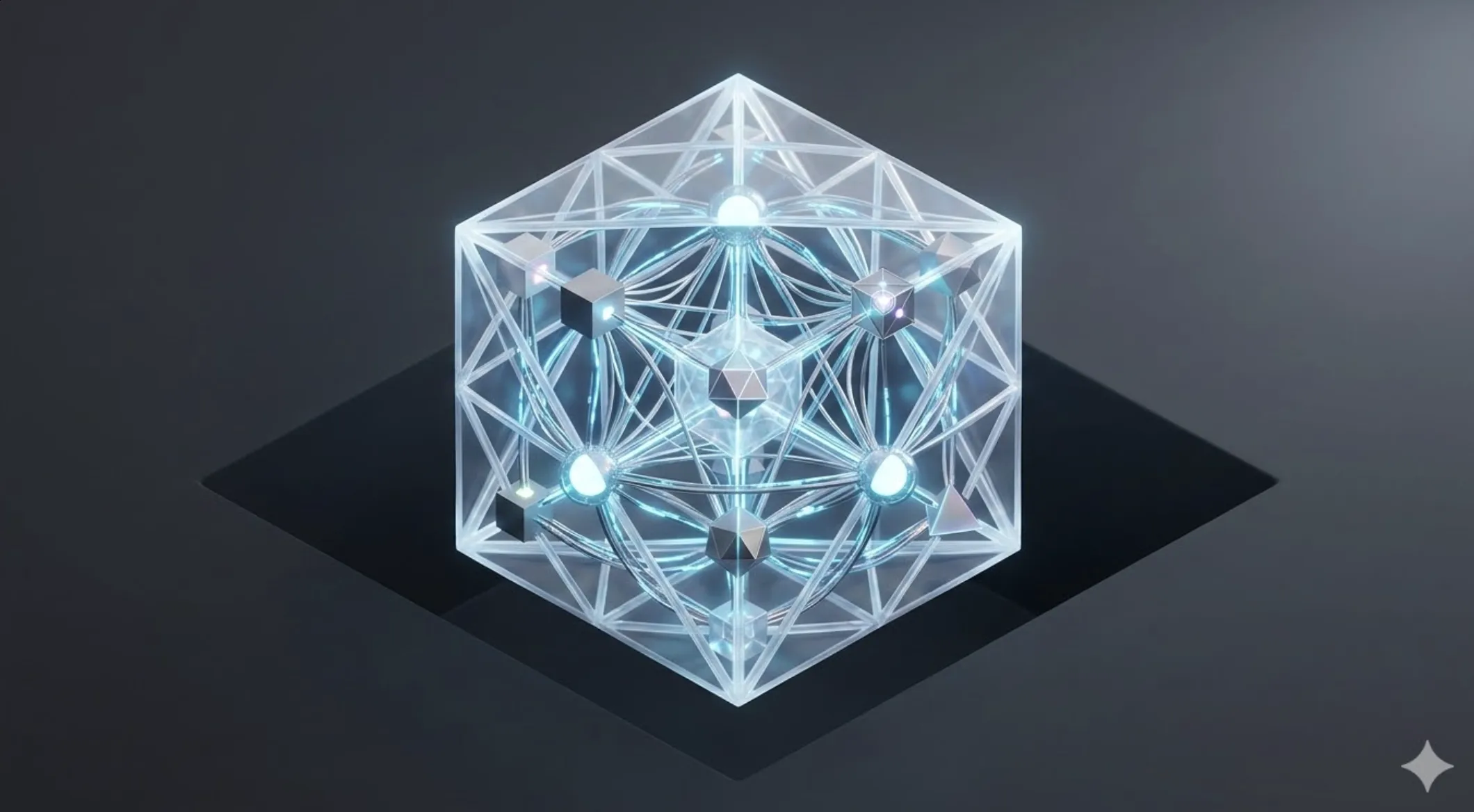
Structural AI: The Organizational Nervous System
What is structural AI and how does it differ from AI as a tool?
Structural AI integrates as the central nervou...
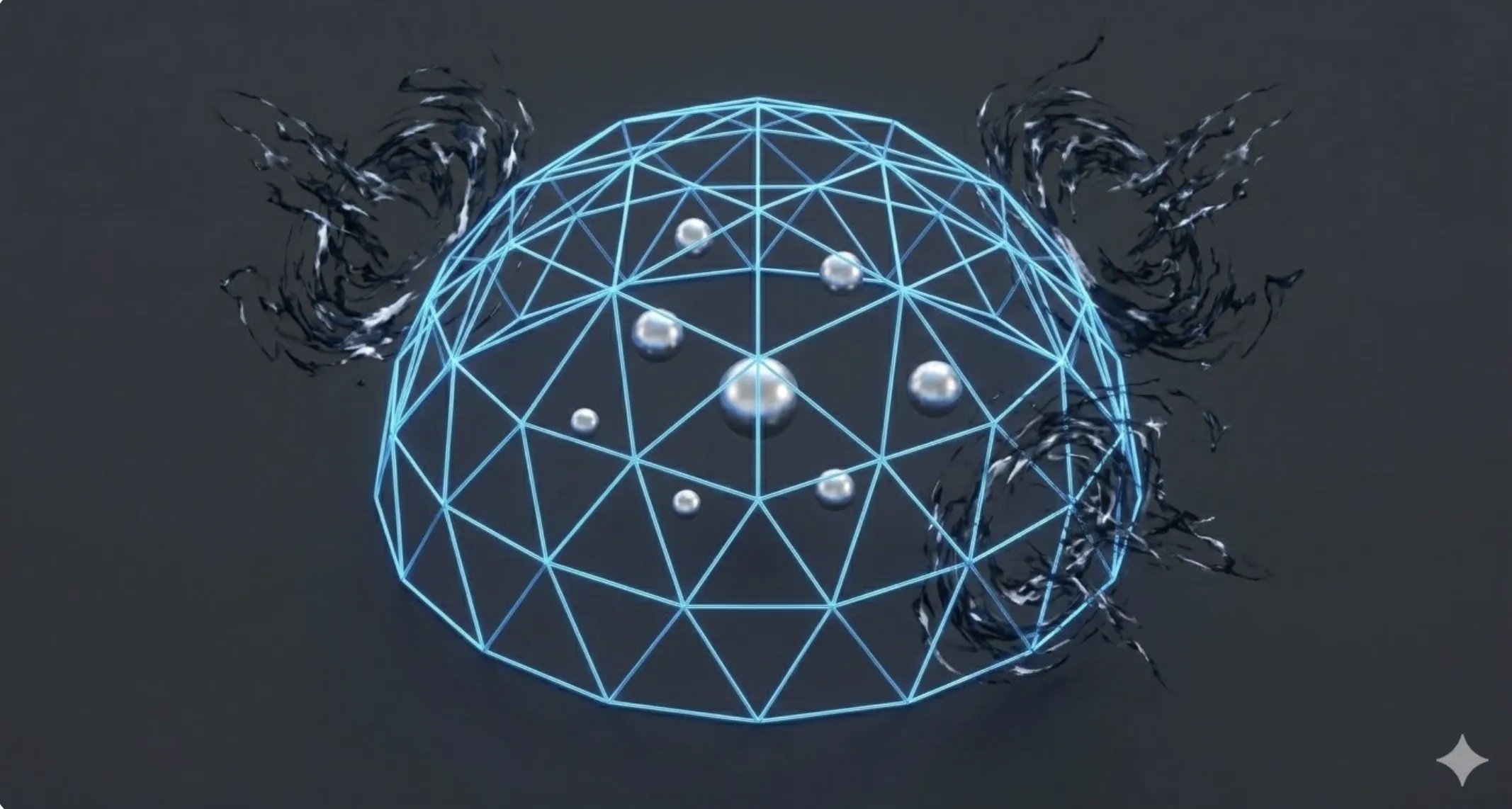
Cloud Security and Networking: VPC Isolation
Key: Your cloud network should be isolated by default. Use public and private subnets to protect your data.

Serverless Architecture and FaaS: Code without Servers
Pro Tip: Serverless doesn't mean there are no servers, but that you don't have to manage them or pay for them ...
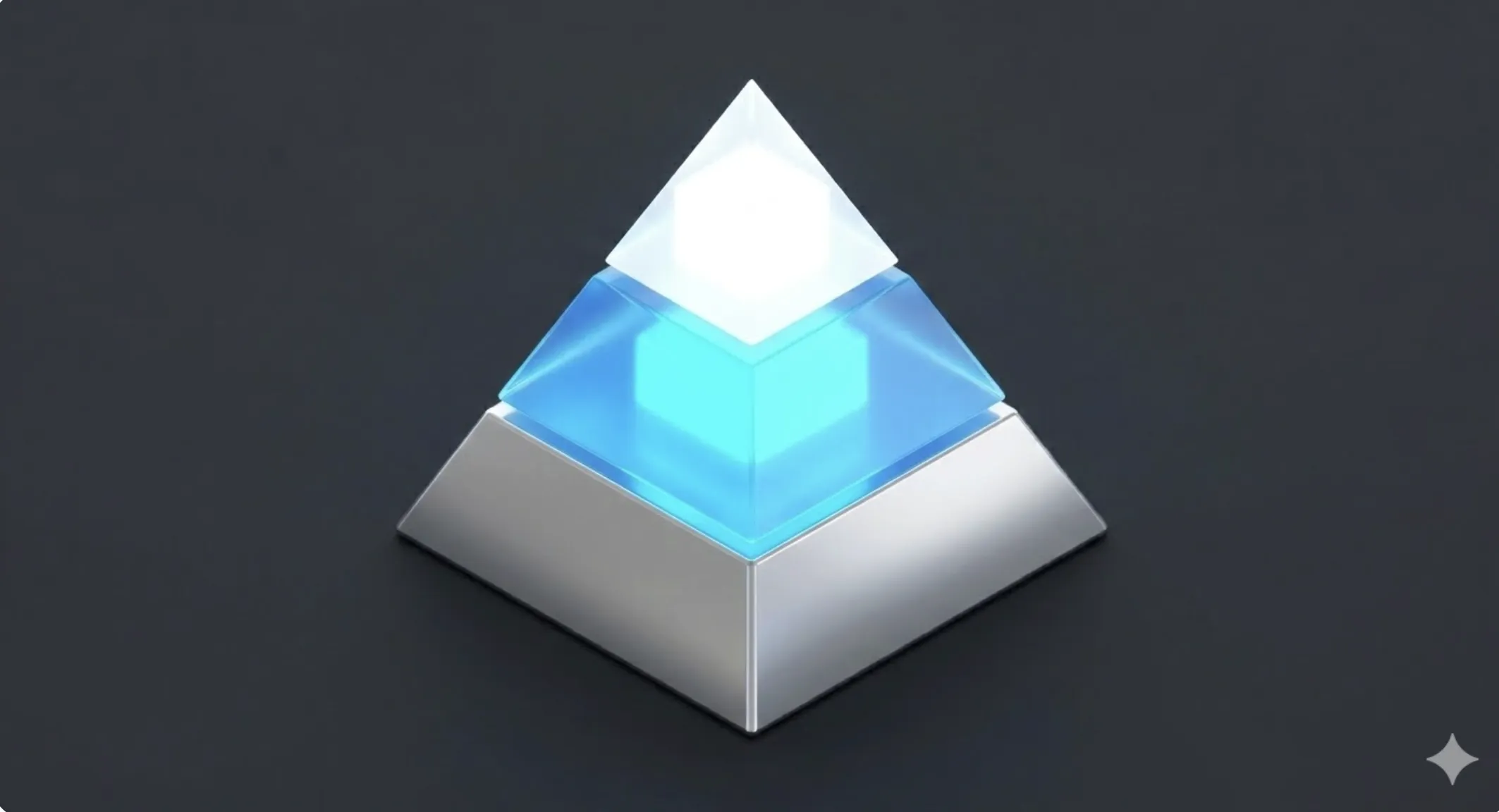
Cloud Service Models: IaaS, PaaS, and SaaS
Technical Tip: Choose IaaS if you need full OS control; choose PaaS if you only want to upload code and forget...
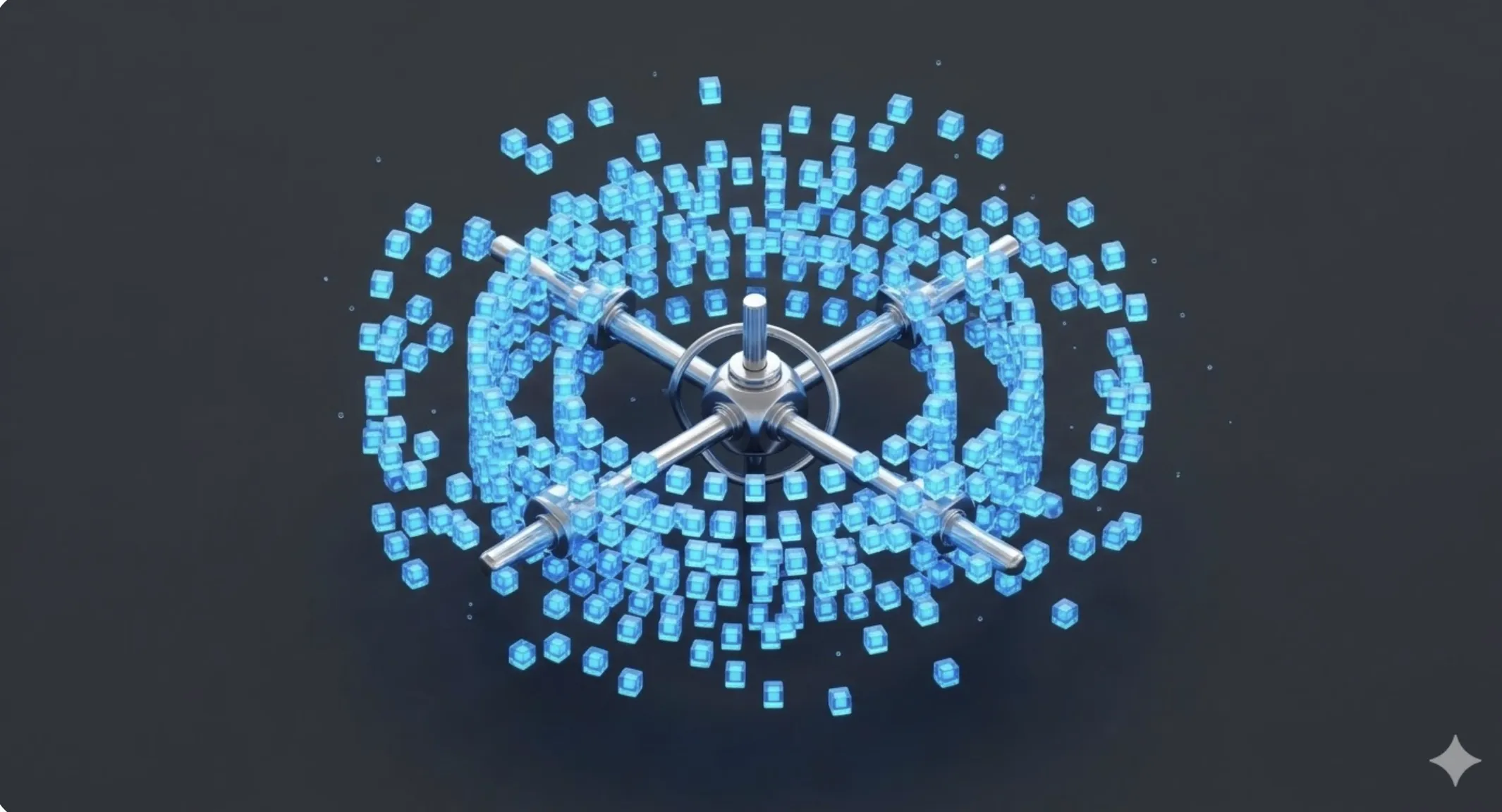
Orchestration with Kubernetes: Managing Containers at Scale
Reminder: Kubernetes is not for small apps; its technical complexity is only justified when you need high avai...
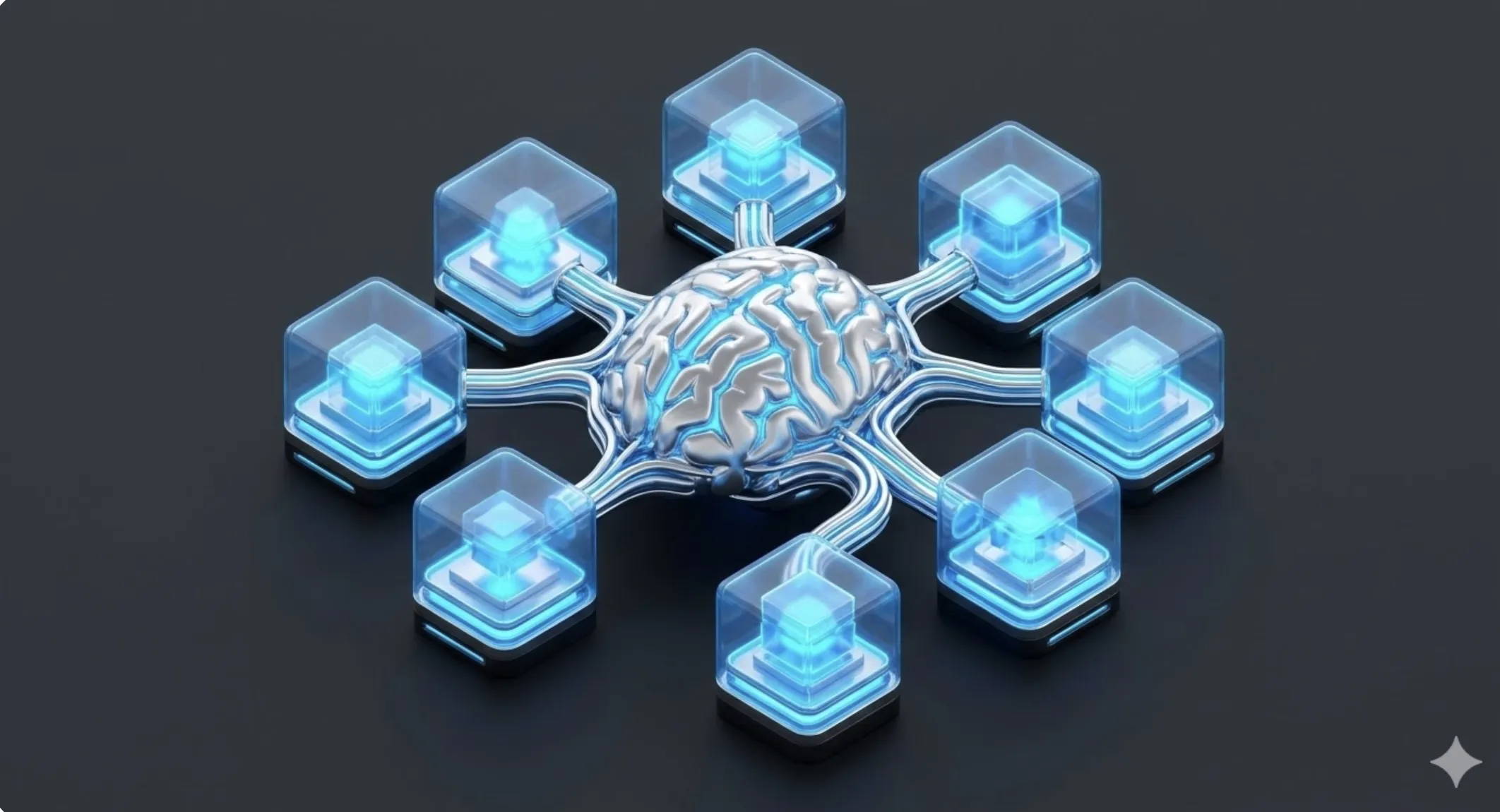
Native Virtualization with KVM: The Engine of the Cloud
Pro Tip: KVM turns the Linux kernel itself into a type-1 hypervisor, achieving near-native performance.
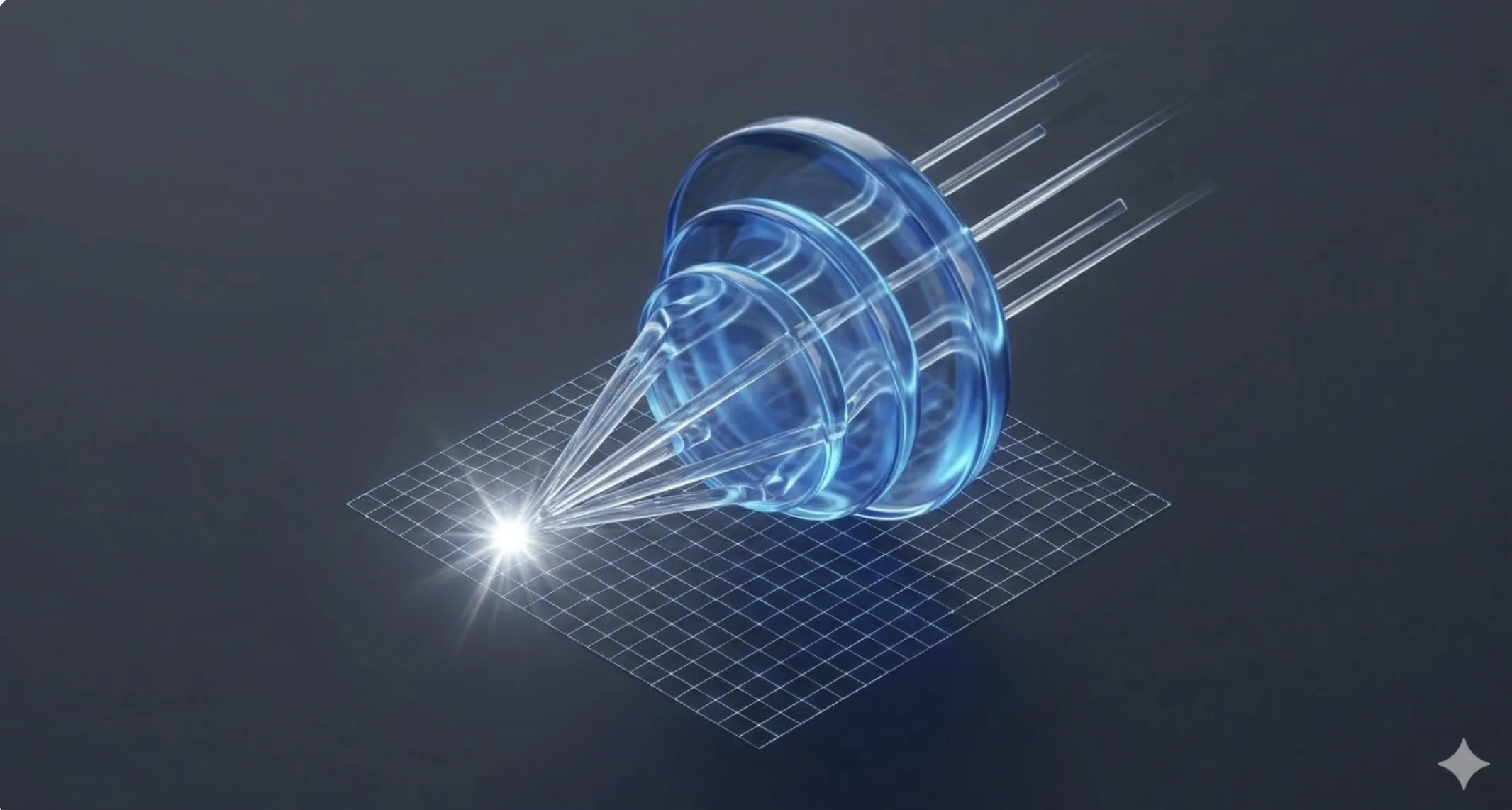
Mobile Optics: Sensors, Pixel Binning, and OIS
Tip: More megapixels don't mean better photos; what matters is sensor size and ISP processing quality.

Biometric Security: FaceID vs. Ultrasonic Sensors
Fact: Ultrasonic sensors work even with wet fingers because they use sound instead of light.
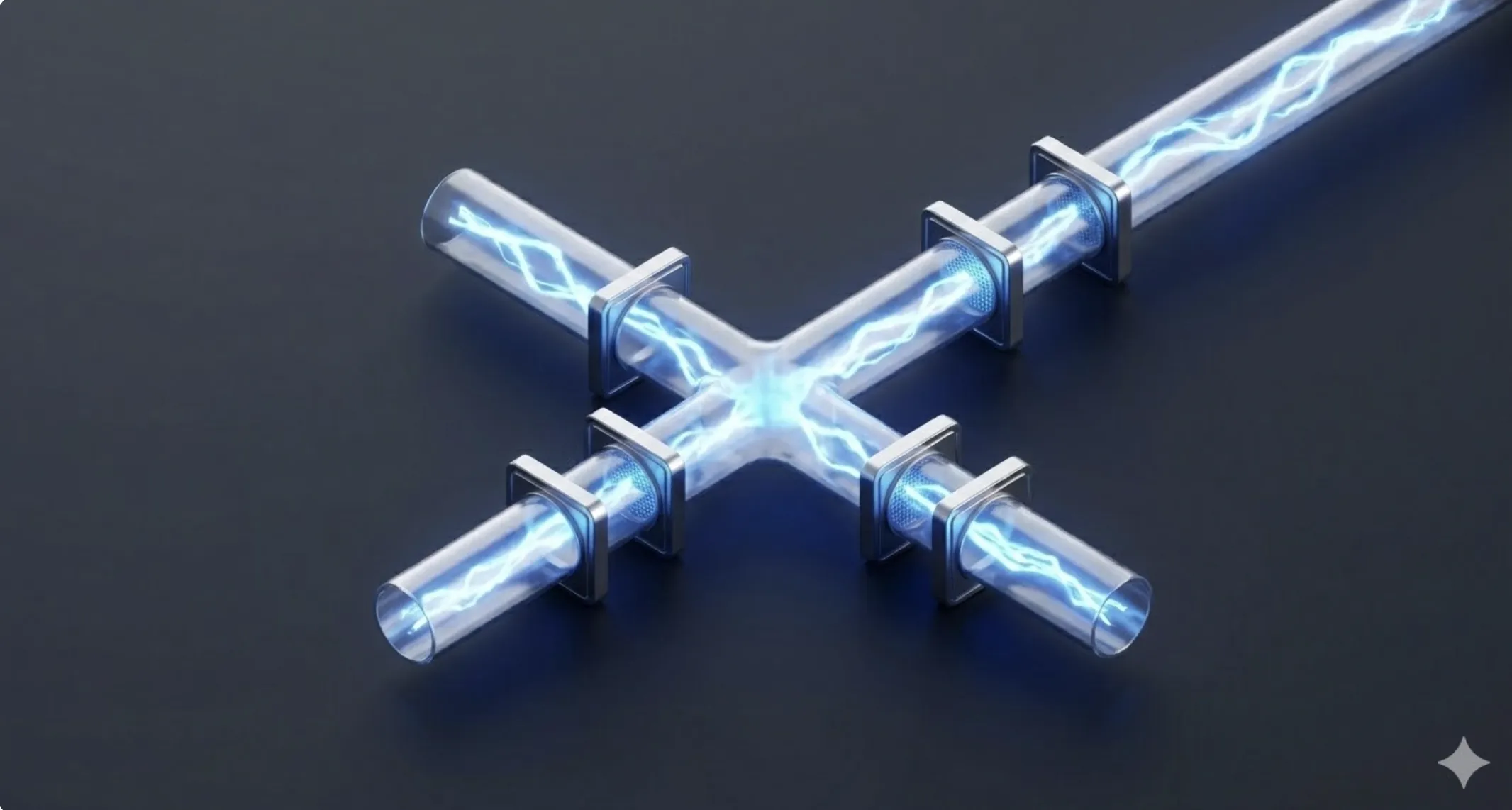
Fast Charging: USB-PD, PPS Protocols, and Safety
Pro Tip: Fast charging doesn't damage the battery due to voltage, but due to generated heat. Keep the phone co...